Fundació Institut Amatller d'Art Hispànic
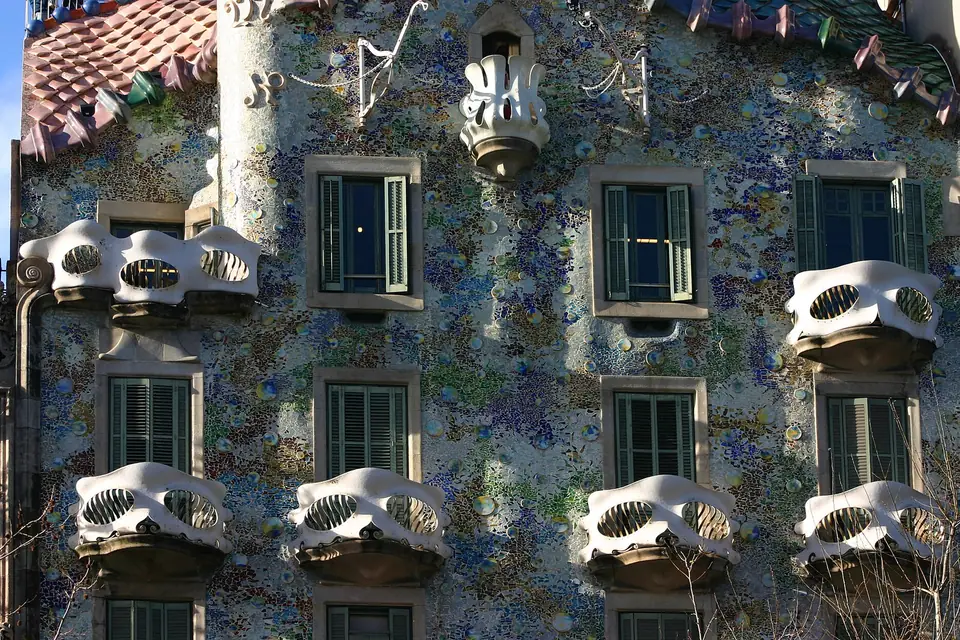
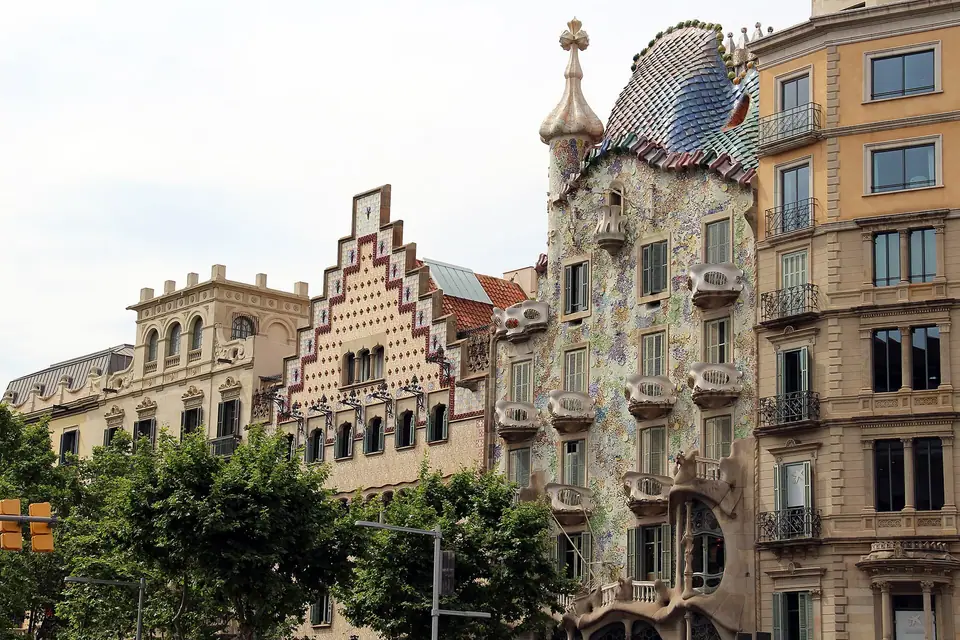
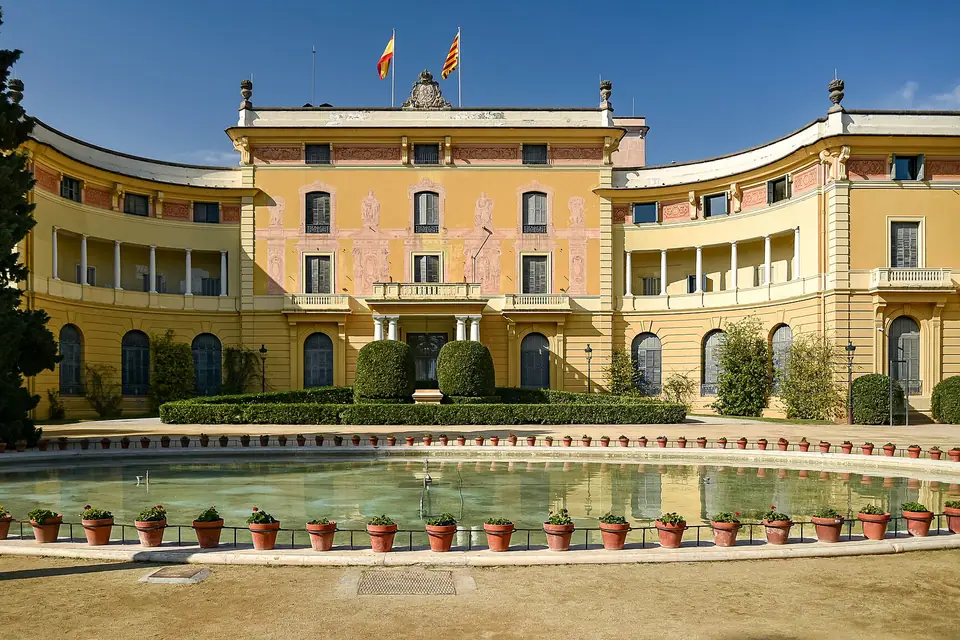
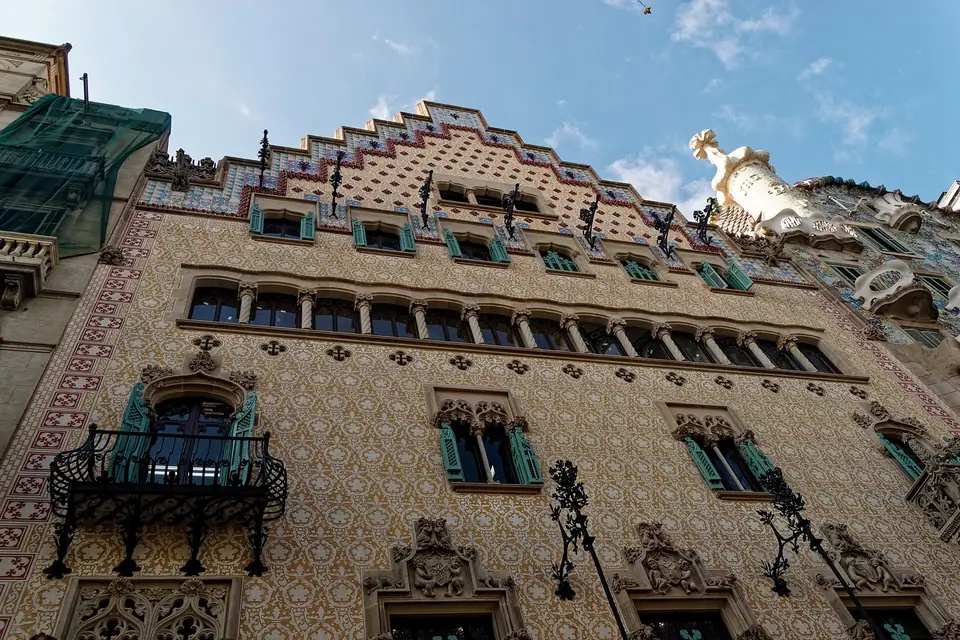
Casa Amatller: house museum
Visit to the Modernista Amatller family house, next to Casa Batlló.
Neighbourhoods of Barcelona · Eixample
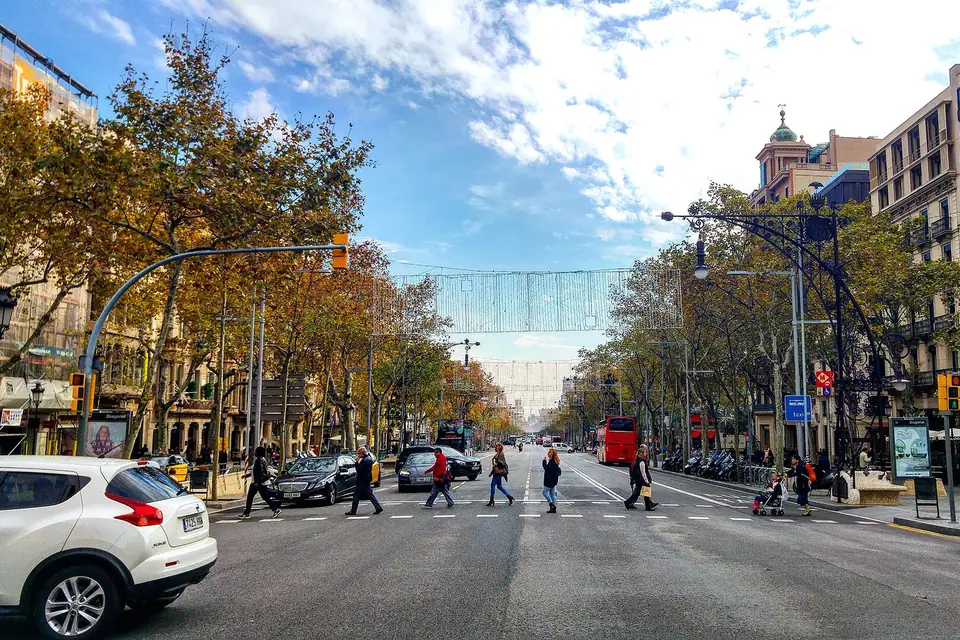
Also known as Dreta y Quadrat d’Or, Passeig de Gràcia
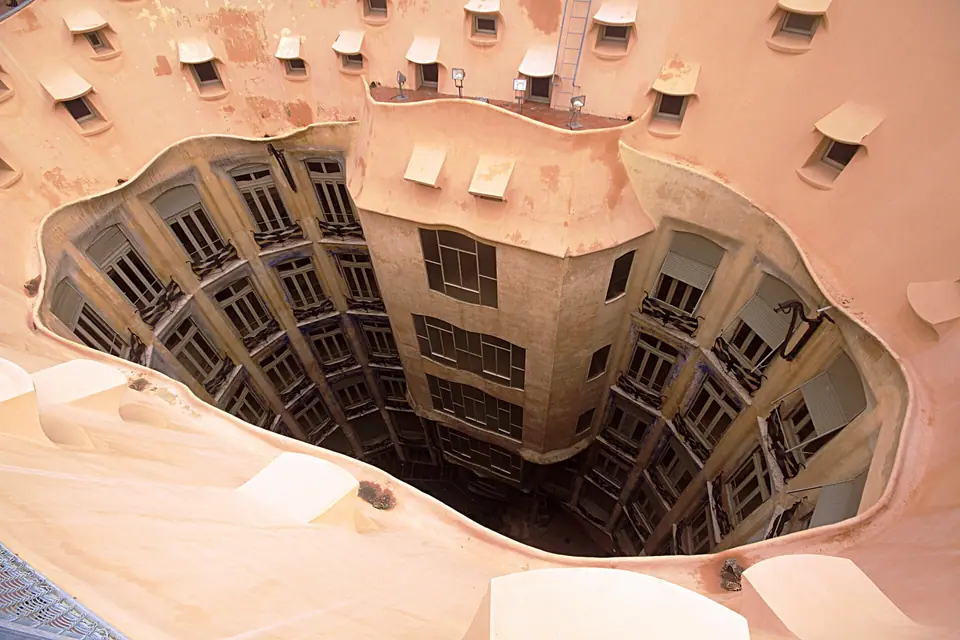
Cerdà’s Modernista grid, with Passeig de Gràcia and the Casa Batlló and Casa Milà.
0/20No stamps yet: 20 neighbourhoods and day trips are waiting See my passport
The Eixample grew from Ildefons Cerdà’s plan, approved in 1859, and is the city’s most populous district: 274,598 residents in 7.5 km². The Dreta de l’Eixample, with 44,088 residents, holds the Quadrat d’Or and Passeig de Gràcia.
The Eixample neighbourhood, strictly speaking, is the central part of the district, where Passeig de Gràcia and its houses are concentrated. The reference station is Passeig de Gràcia (L2, L3 and L4); Diagonal (L3 and L5) closes the area to the north.
Casa Batlló and La Pedrera cost from €29 and take one to one and a half hours each. Casa Amatller stands next to the Batlló. About 0.3 km from the Pedrera, the Egyptian Museum offers entry with audioguide for €14, and the Palau Baró de Quadras has a guided visit from €19. On Plaça d'Urquinaona is the Paradox Museum (€18), and on Passeig de Gràcia the White Rabbit and House of Candy (€25 for the combined ticket). For flamenco there is the Teatre City Hall.
A simple route follows the avenue: Amatller and Batlló together, then La Pedrera, about 0.5 km away as the crow flies. If you would rather not go inside, the "Modernisme" route from Turisme de Barcelona lasts about two hours and starts at Plaça de Catalunya. On a rainy day, keep the indoor visits for that day and the walks for another.
Fundació Institut Amatller d'Art Hispànic
Visit to the Modernista Amatller family house, next to Casa Batlló.
Three-hour walk in English with a specialist, with skip-the-line Casa Batlló entry, in a small or private group.
Ticket for Gaudí's house on Passeig de Gràcia, with several ticket tiers.
White Rabbit Immersive Experience Barcelona
One ticket for two immersive attractions in the Eixample: Catalan culture at White Rabbit and sweet-themed rooms at House of Candy.
Ticket to the Eixample museum devoted to ancient Egypt, with an audioguide and both permanent and temporary exhibitions.
Self-guided visit to the rooftop, attic and an apartment of Casa Milà, with a video guide.
Google lists it as closed on Saturdays and Sundays
House of Candy Immersive Experience Barcelona
Ticket to twelve sweet-themed rooms on Gran Via, with a liquorice pool, a candy-floss bouncy castle and an ice cream forest.
Small-group trip to Montserrat with hotel pickup, monastery entry and a short walk in the natural park.
One-hour guided tour of a Modernista mansion by Josep Puig i Cadafalch on the Diagonal.
Three hours in English following George Orwell's footsteps through Barcelona: the Rambla, Plaça Catalunya and traces of the war.
Three-hour walk in English from Plaça Catalunya through El Born to the Picasso Museum, advance ticket included.
A two-and-a-half-hour walk through the centre on the war and the dictatorship, in English and Spanish, tip-based.
Official two-hour walk through Modernisme from the tourist office on Plaça de Catalunya, in several languages.
Skip-the-line entry to the Paradox Museum, with more than 70 optical-illusion exhibits, good for families.
Flamenco Barcelona SL (Teatre City Hall)
One-hour flamenco in a 19th-century theatre by Plaça de Catalunya, drink included per resellers.
Six-hour trip to Montserrat with a local guide, the cog-wheel train, basilica entry and a tasting of local liqueurs.
The district has no festa major of its own; La Mercè, in late September (23–27 in 2026), spreads its events across the city’s ten districts.
Façades are best enjoyed looking up and early in the day, without queues. Metro L2, L3 and L4 Passeig de Gràcia.
The stamp shows the neighbourhood; the dots are the experiences in and around it, coloured by category.
In a straight line, nearest first, within 2.5 km.
A meal at the Hard Rock Cafe on Plaça de Catalunya, with the Acoustic or Electric menu and a main course of your choice.
Two-hour walking tour of the Gothic Quarter with a live guide, in Chinese, English, Japanese or Korean.
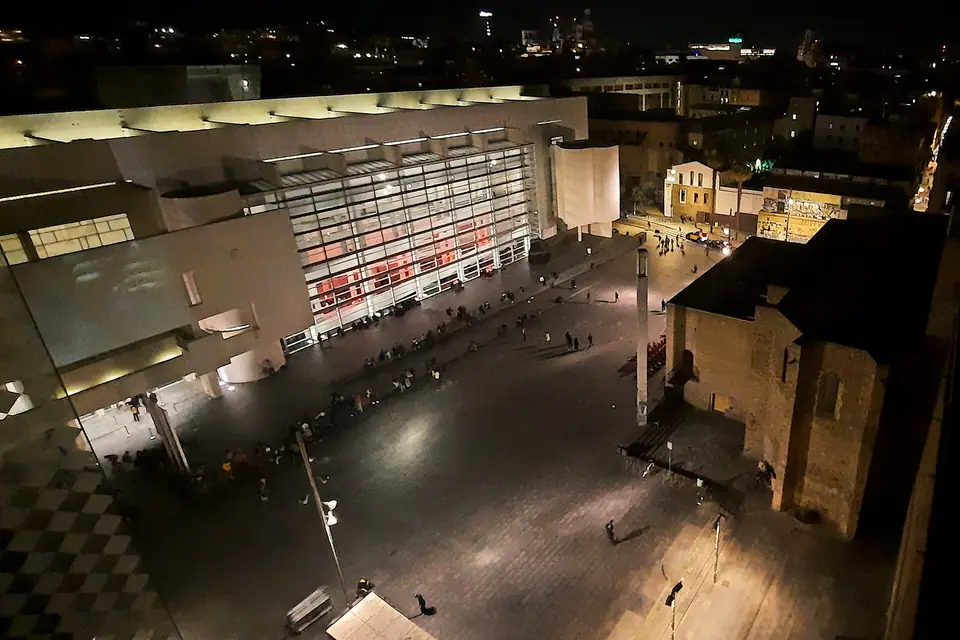
MACBA (Museu d'Art Contemporani de Barcelona)
Contemporary art museum in the Raval, free from 18:00 Thursday to Saturday.
Google lists it as closed on Tuesdays
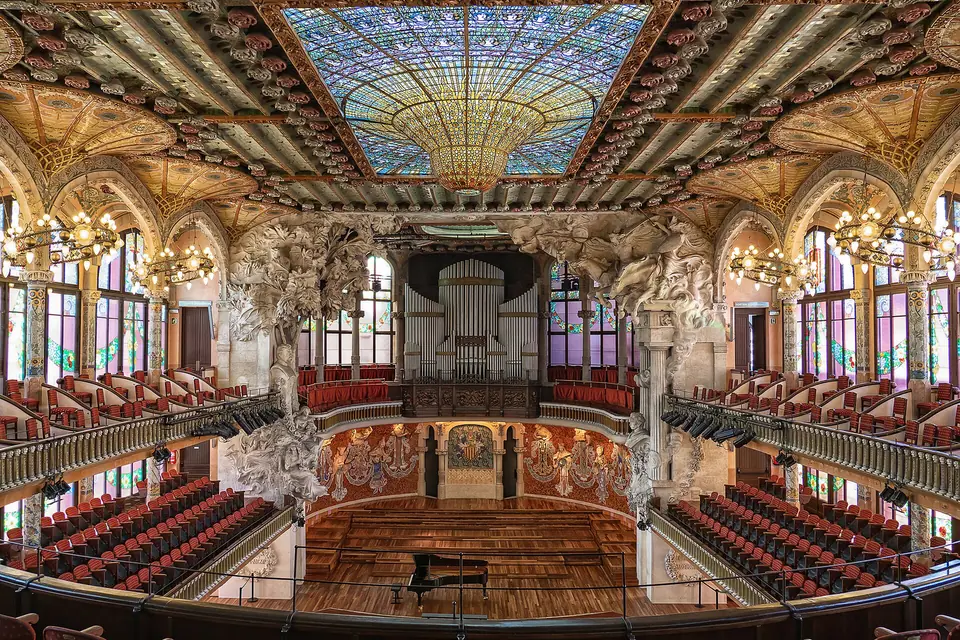
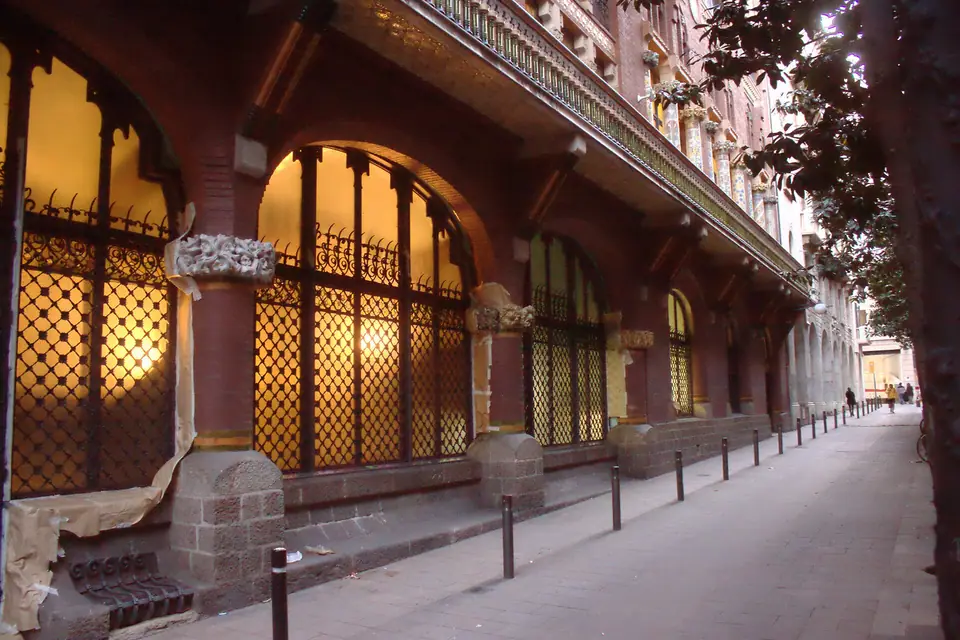
Fundació Orfeó Català - Palau de la Música
55-minute guided tour of Domènech i Montaner's modernist concert hall, offered in seven languages.
Ticket to the Palau de la Música Catalana, Domènech i Montaner's modernist work in the Sant Pere district.
Ticket to the Banksy exhibition on Carrer de Trafalgar, with more than 130 works by the artist.
Comparisons built on the experiences in and around Eixample.
Look at stays in the neighbourhood or the next one over. These are open searches on external sites: compare price, location and terms before you book.
Some links are affiliate links; if you book through them we may earn a commission, at no extra cost to you. What affiliate links are
The Eixample grew from Ildefons Cerdà’s plan, approved in 1859, and is the city’s most populous district: 274,598 residents in 7.5 km². The Dreta de l’Eixample, with 44,088 residents, holds the Quadrat d’Or and Passeig de Gràcia. 16 experiences in the neighbourhood itself; 9 close by are listed on Atlas de Barcelona: Casa Amatller: house museum, Gaudí Tour: Casa Batlló & Modernisme (Context Travel), Casa Batlló: general visit, White Rabbit and House of Candy: combined ticket, Egyptian Museum of Barcelona: ticket with audioguide, La Pedrera-Casa Milà: Essential visit.
The district has no festa major of its own; La Mercè, in late September (23–27 in 2026), spreads its events across the city’s ten districts.
Façades are best enjoyed looking up and early in the day, without queues. Metro L2, L3 and L4 Passeig de Gràcia.
Written by us from these sources, checked on 2026-11-21. Dates, opening times and bus lines change: confirm them before you go.