Barcelona guide
Things to do in Barcelona: the key sights, neighbourhood by neighbourhood
Things to do in Barcelona: 41 sights by neighbourhood plus day trips, with a map. Why go, when, how to get there by metro and how long to allow. Sourced.
Barcelona works well without a car: the metro reaches almost everything in this guide, the old town is walkable and the most common day trips leave by train. We gathered 41 places, arranged by district, plus a separate region of day trips, so you can plan without crossing the city back and forth.
For each place we tell you why to go, when, how to get there and how long to allow. Practical details come from our listings and from the sources cited under each place (checked on 21 November 2026); what we could not confirm we do not state as fact. Prices and opening hours change: check the official website before you go.
- Nature 9
- Towns and villages 13
- Culture and history 31
- Beaches and coves 3
- Viewpoints 8
In short
This guide gathers 41 places in Barcelona arranged by district, plus day trips. The metro reaches almost everything; the old town (Barri Gòtic, Born, Raval and Barceloneta) is walkable in one or two days. Our pick of ten: Sagrada Família, Park Güell, Casa Batlló, La Pedrera, the Barri Gòtic and cathedral, Sant Pau, the Palau de la Música, Montjuïc, Barceloneta and the Bunkers del Carmel.
The top 10 must-sees
Our editorial pick, not a popularity vote: if it is your first time in Barcelona, start here.
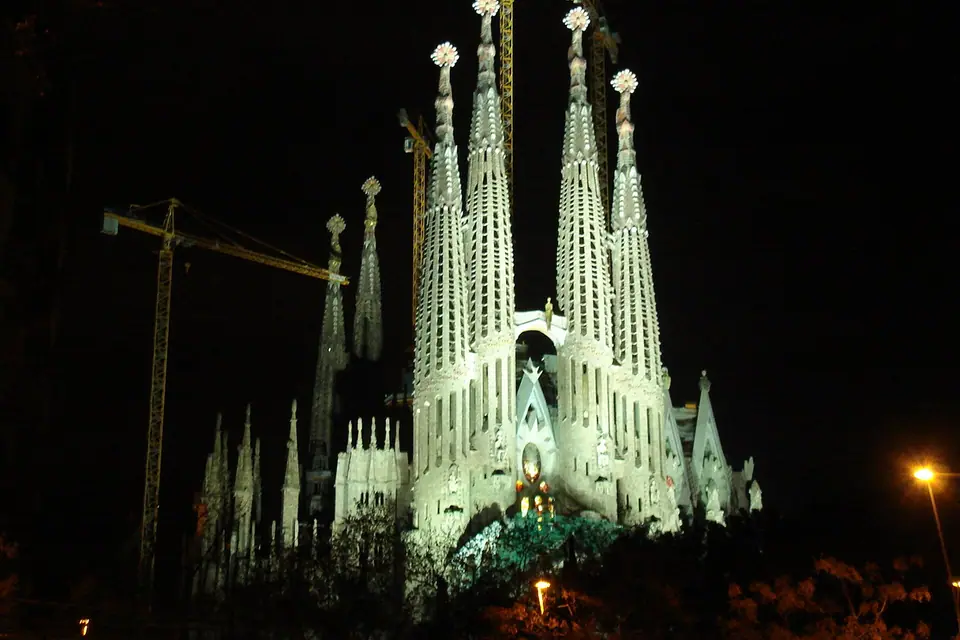
- 1Sagrada FamíliaGaudí's basilica, under construction since 1882 and still unfinished.
- 2Park GüellGaudí's garden city above Barcelona, with the mosaic bench and sea views.
- 3Casa BatllóGaudí's house on Passeig de Gràcia, with its bone-and-scale façade.
- 4La Pedrera (Casa Milà)Gaudí's wavy stone building and its rooftop of warrior-like chimneys.
- 5Barri Gòtic and the CathedralThe medieval old town built over Roman Barcino, with the cathedral at its heart.
- 6Sant Pau Art Nouveau SiteDomènech i Montaner's modernista hospital, with brick-and-tile pavilions.
- 7Palau de la Música CatalanaDomènech i Montaner's modernista concert hall, with a glass skylight and mosaics.
- 8Montjuïc: castle and gardensThe hill above the port, with a castle, gardens, museums and views.
- 9La Barceloneta and its beachThe 18th-century fishermen’s quarter, laid out on a grid, with the city beach.
- 10Bunkers del CarmelThe best free panoramic view, over a former anti-aircraft battery.
Ciutat Vella
The old town is best done on foot: Barri Gòtic, Born, Raval and Barceloneta fit into one or two days, and most of it works in the rain.
Ciutat Vella: tours and activities
01Culture and historyTowns and villagesTop 10 · 5
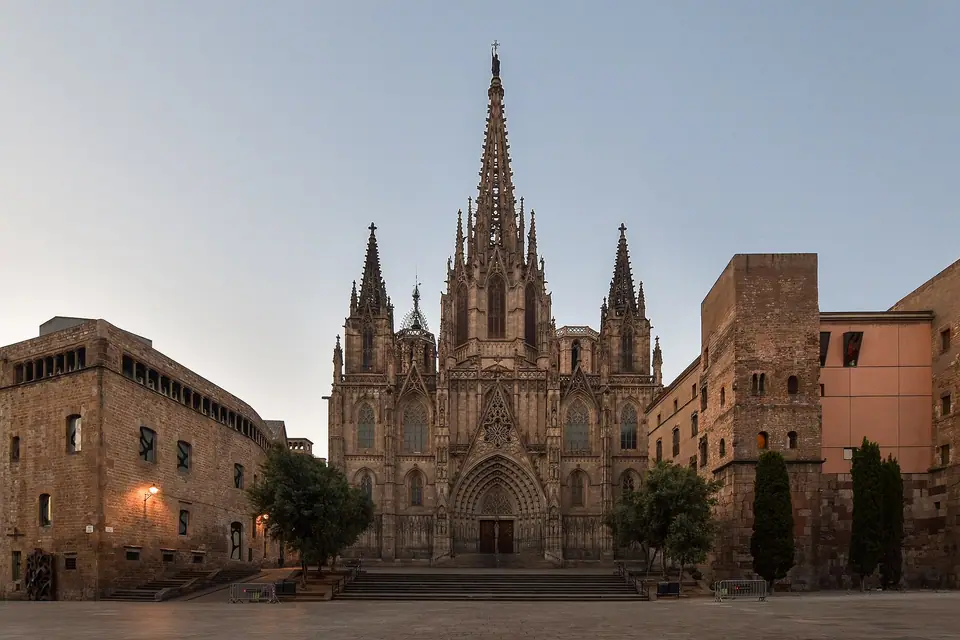
Barri Gòtic and the Cathedral
It is the oldest quarter in the city: narrow lanes, squares and Roman remains. The Gothic cathedral was begun in 1298 and has a cloister with geese. Close by is Plaça de Sant Jaume, seat of the city council and the Generalitat.
- When to go
- First thing in the morning, before the cathedral area fills up. For the city festival, La Mercè, in late September. All year
- Getting there
- Metro L4 Jaume I or L3 Liceu; the whole quarter is covered on foot. (206 km from Barcelona as the crow flies)
- Time needed
- 2 to 3 h
In the Atlas
Sources: catedralbcn.org, es.wikipedia.org
02Culture and historyHidden gem
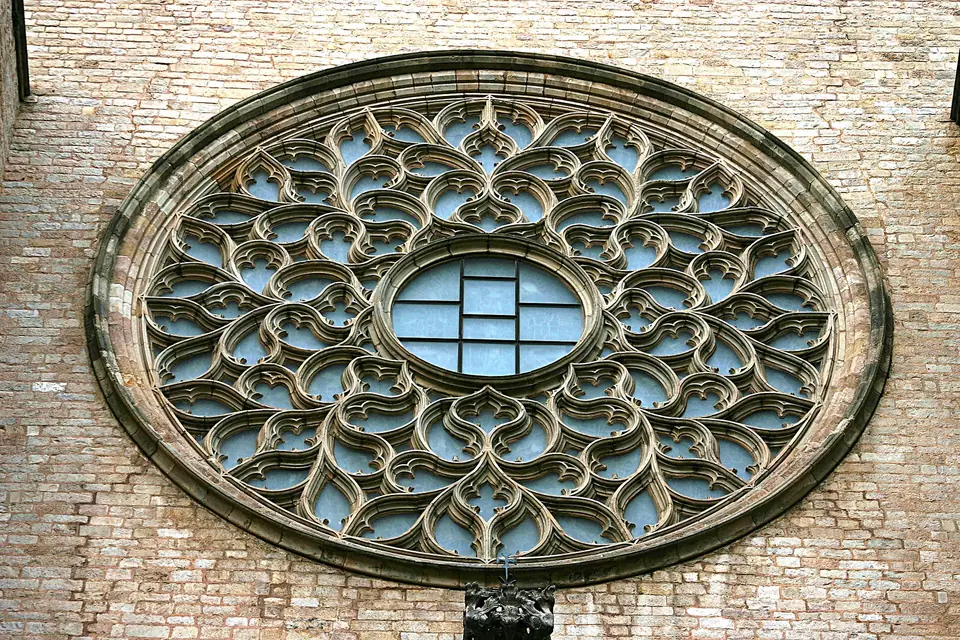
Santa Maria del Mar
A Catalan Gothic church of slender naves and almost no ornament, raised between 1329 and 1383 by the people and seafarers of the Ribera. The unity of style is plain to see: nearly everything dates from that period.
- When to go
- Best in afternoon light through the stained glass; check visiting hours on its website. All year
- Getting there
- Metro L4 Jaume I, a five-minute walk. (206 km from Barcelona as the crow flies)
- Time needed
- 30 to 45 min
In the Atlas
03Culture and historyTowns and villages
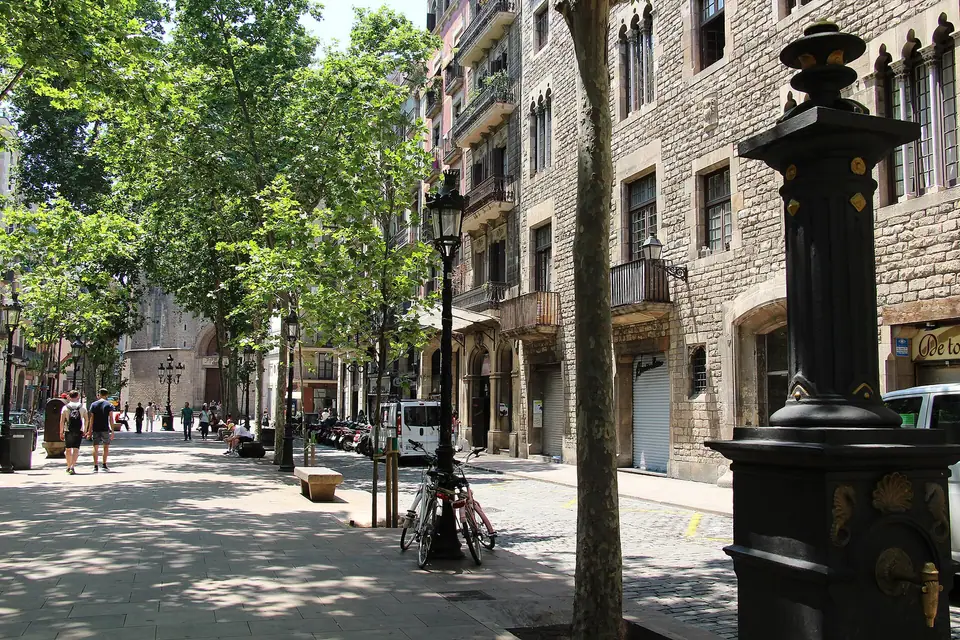
El Born and the Born Cultural Centre
The old iron Born market now houses a cultural centre where you can see the ruins of the streets and houses razed after the siege of 1714. Around it the quarter mixes workshops, bars and the Gothic palaces of Carrer de Montcada.
- When to go
- All year round; the quarter is livelier in the evening. All year
- Getting there
- Metro L4 Jaume I; on foot from the cathedral or Santa Maria del Mar. (206 km from Barcelona as the crow flies)
- Time needed
- 1.5 to 2 h
In the Atlas
Sources: borncultural.barcelona.cat, es.wikipedia.org
04Culture and history
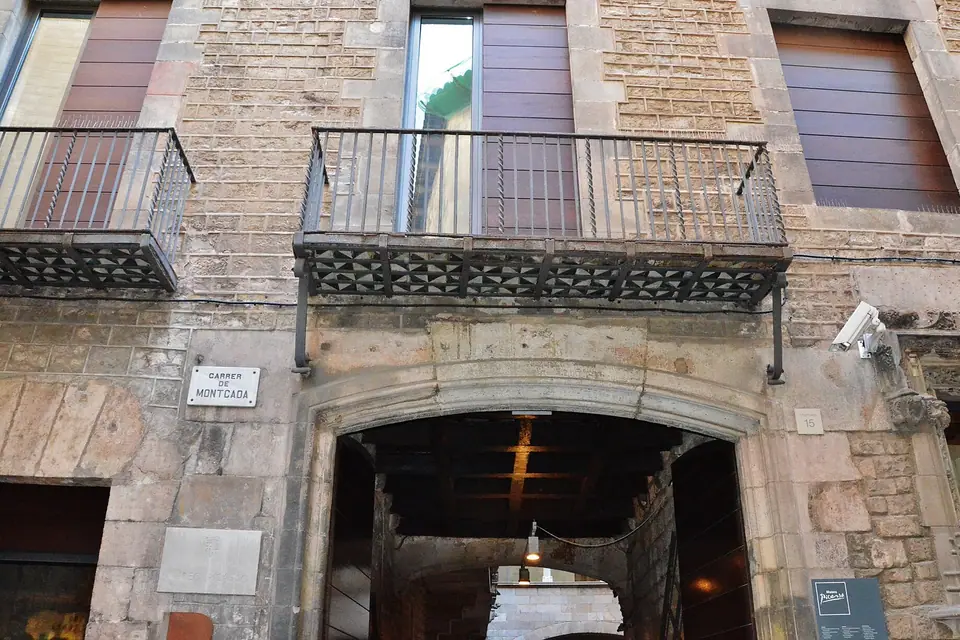
Picasso Museum
The museum opened in 1963 and occupies medieval palaces on Carrer de Montcada. It holds mostly work from the painter’s formative years in Barcelona and shows how Picasso developed before he was famous.
- When to go
- On weekdays and early in the day; a good rainy-day option too. Book your ticket in advance. All year
- Getting there
- Metro L4 Jaume I and a five-minute walk along Carrer de Montcada. (206 km from Barcelona as the crow flies)
- Time needed
- 1.5 to 2 h
In the Atlas
Sources: museupicassobcn.cat, es.wikipedia.org
05Towns and villages
La Rambla and the Boqueria Market
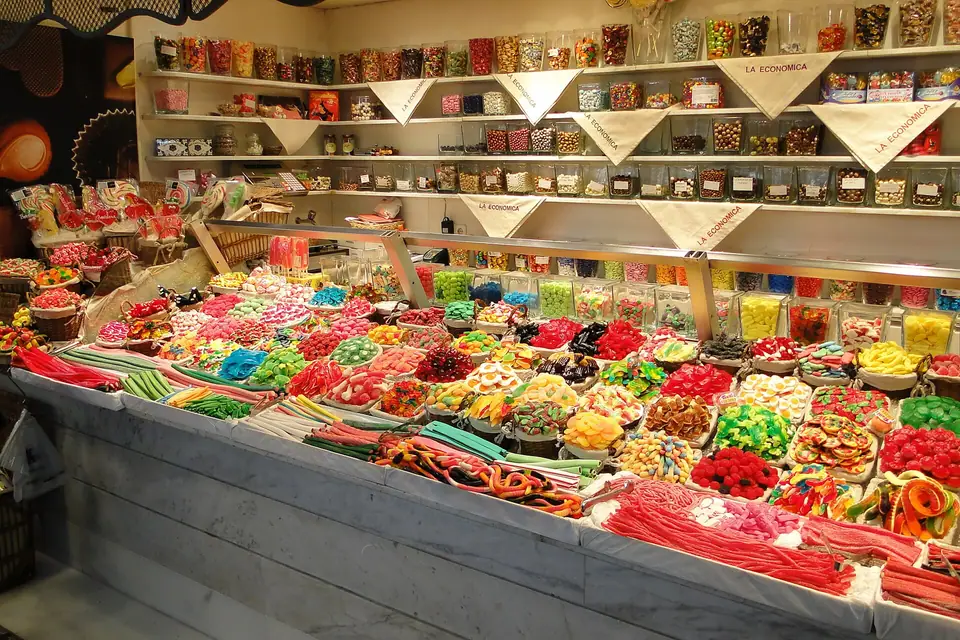
La Rambla runs about 1.2 km from Plaça de Catalunya down to the port, between the Barri Gòtic and the Raval. Halfway along is the Boqueria, a market of fruit, ham and seafood stalls. It is touristy and crowded, but still a natural way to take in the city.
- When to go
- Early in the morning, with fewer people. Watch out for pickpockets in the area. All year
- Getting there
- Metro L3 Liceu (Boqueria), or Catalunya (L1/L3) at the top end. (206 km from Barcelona as the crow flies)
- Time needed
- 1 to 1.5 h
In the Atlas
Sources: barcelona.cat, es.wikipedia.org
06Culture and history
Palau Güell
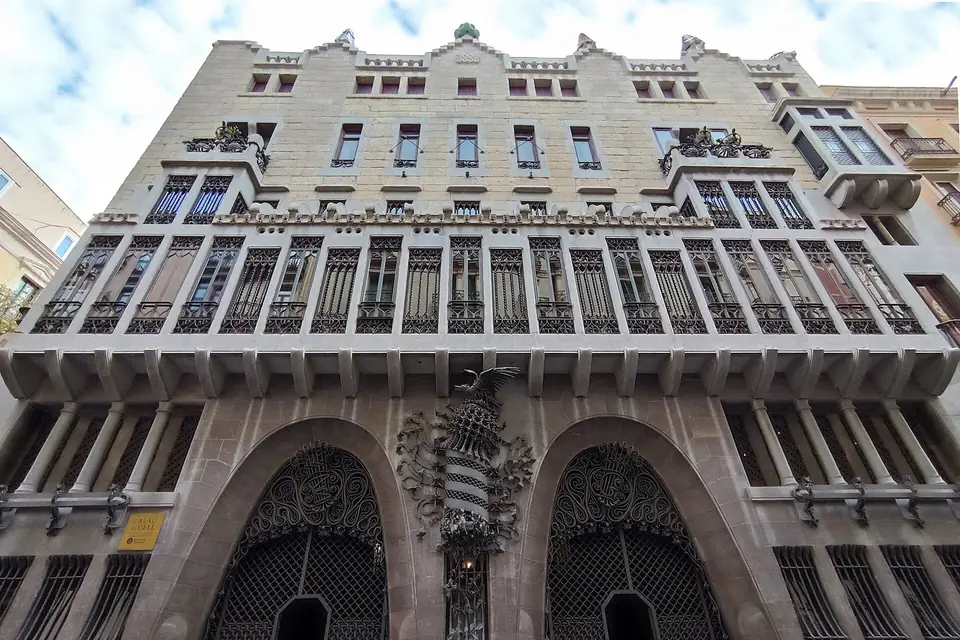
Gaudí built it between 1886 and 1890 for the industrialist Eusebi Güell, a short step from La Rambla. It is one of the Gaudí works inscribed as UNESCO World Heritage, with a central hall lit from above and a roof full of chimneys.
- When to go
- All year, and fine in the rain since the visit is indoors. All year
- Getting there
- Metro L3 Liceu or Drassanes; the entrance is on Carrer Nou de la Rambla. (205 km from Barcelona as the crow flies)
- Time needed
- 1 to 1.5 h
In the Atlas
Sources: palauguell.cat, whc.unesco.org
07Culture and historyTop 10 · 7
Palau de la Música Catalana
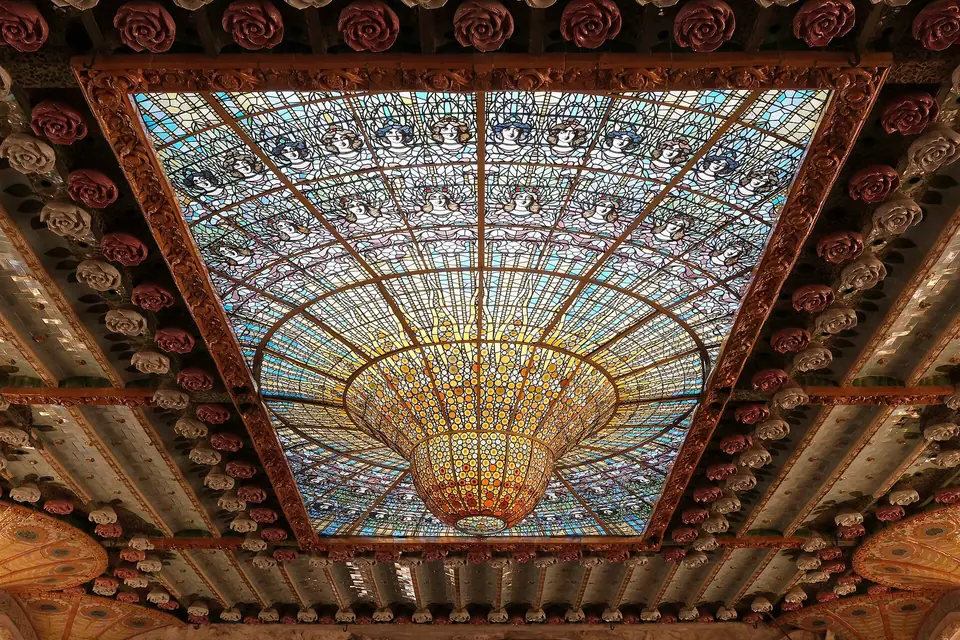
Lluís Domènech i Montaner built it between 1905 and 1908 and UNESCO listed it as World Heritage in 1997 together with the Hospital de Sant Pau. The main concert hall is covered by a coloured-glass skylight that floods the room with light.
- When to go
- Best with a concert; guided visits also exist. Check dates on its website. All year
- Getting there
- Metro L1 or L4 Urquinaona, a five-minute walk. (206 km from Barcelona as the crow flies)
- Time needed
- 1 h for the tour
In the Atlas
Sources: palaumusica.cat, whc.unesco.org
08Beaches and covesTowns and villagesTop 10 · 9
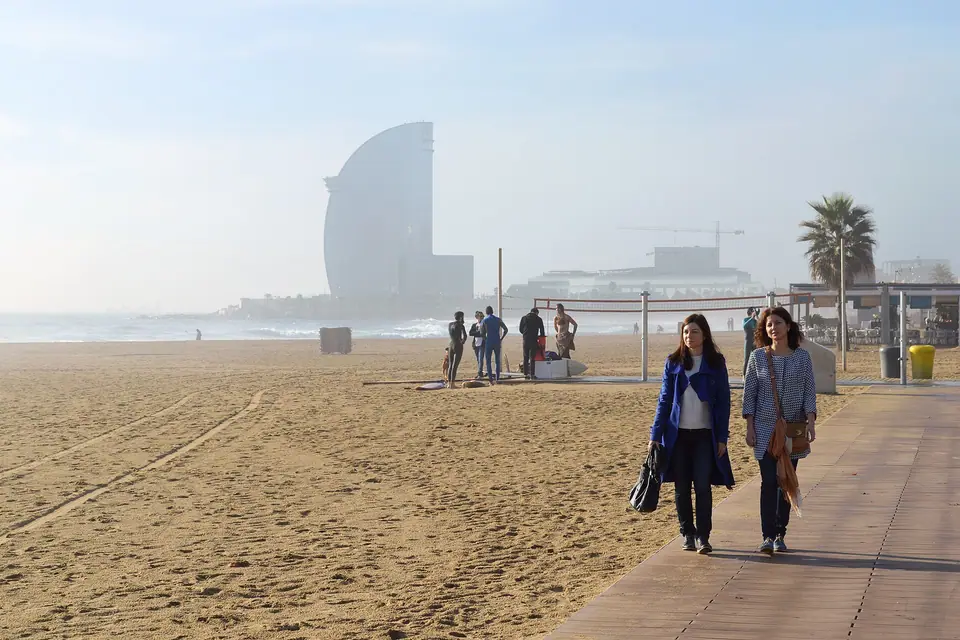
La Barceloneta and its beach
It was laid out in the 18th century, from 1753, with straight streets and low houses to rehouse residents from other quarters, and it keeps its fishermen’s-quarter character. In front lies Barceloneta beach, the closest to the centre, with beach bars and a seafront promenade.
- When to go
- June to September for swimming; at other times, for a walk and a meal. Best months: MayJunJulAugSeptOct
- Getting there
- Metro L4 Barceloneta, or on foot from the Born and the Ciutadella. (205 km from Barcelona as the crow flies)
- Time needed
- 2 to 3 h
In the Atlas
Sources: barcelona.cat, es.wikipedia.org
09NatureCulture and history
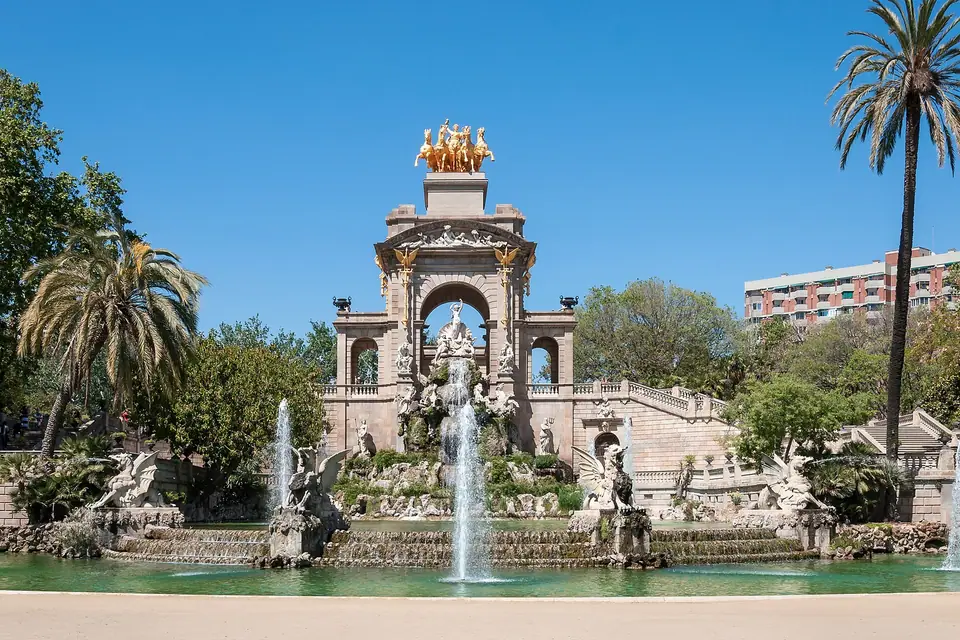
Parc de la Ciutadella
The park occupies the site of the old military citadel and opened in the 19th century; today it holds the Catalan Parliament, the zoo, a rowing lake and a monumental waterfall on which the young Gaudí collaborated. It is a calm spot to rest between sights.
- When to go
- Spring and autumn; in summer, early or late in the afternoon. Best months: MarAprMayJunSeptOctNov
- Getting there
- Metro L1 Arc de Triomf or L4 Ciutadella | Vila Olímpica. (206 km from Barcelona as the crow flies)
- Time needed
- 1.5 to 2 h
In the Atlas
Sources: barcelona.cat, es.wikipedia.org
10Culture and history
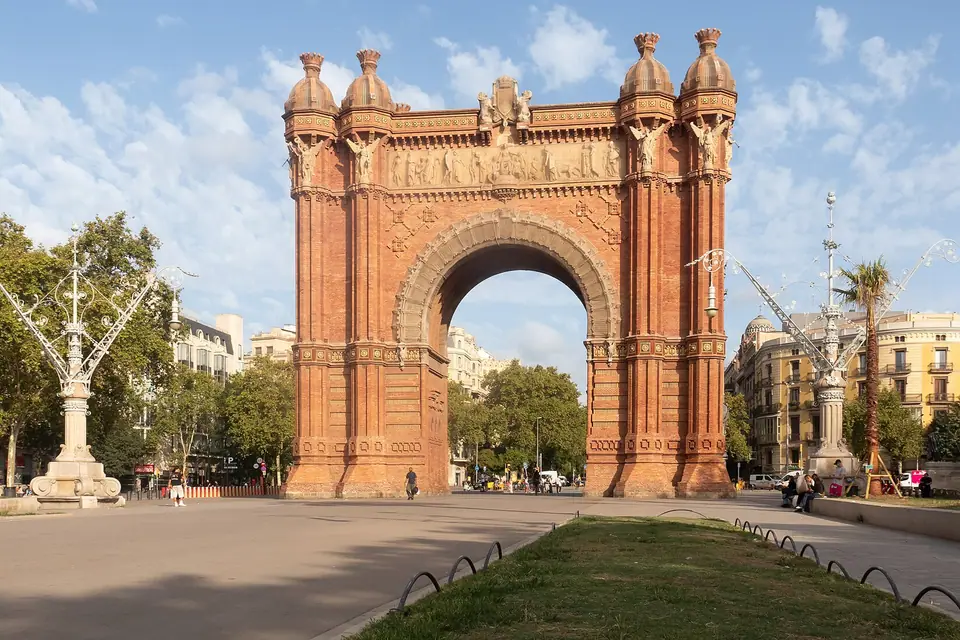
Arc de Triomf
Josep Vilaseca designed it as the entrance to the 1888 Universal Exposition, in a red-brick neo-Mudéjar style. A palm-lined pedestrian promenade runs from it to Parc de la Ciutadella.
- When to go
- All year; a stop on the way to the Ciutadella. All year
- Getting there
- Metro L1 Arc de Triomf, right beside it. (206 km from Barcelona as the crow flies)
- Time needed
- 15 to 20 min
In the Atlas
Sources: es.wikipedia.org, barcelona.cat
11Culture and historyTowns and villages
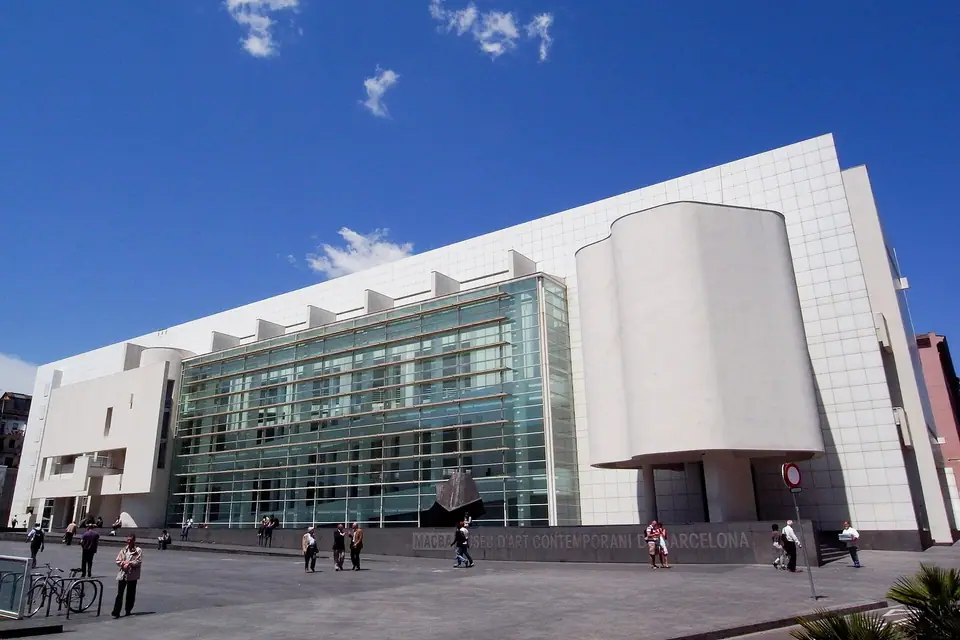
El Raval and the MACBA
El Raval is the quarter west of La Rambla, with an intense social mix. At its centre stands the MACBA, the contemporary art museum, with a white façade by Richard Meier and a square in front used by skaters. Nearby is the former Hospital de la Santa Creu, now a library.
- When to go
- Best by day; at night take a little more care. All year
- Getting there
- Metro L1/L3 Catalunya or L2 Universitat; a few minutes on foot. (206 km from Barcelona as the crow flies)
- Time needed
- 1.5 to 2 h
In the Atlas
- MACBA: admission · from €15
- Things to do in El Raval
Sources: macba.cat, es.wikipedia.org
12Culture and history
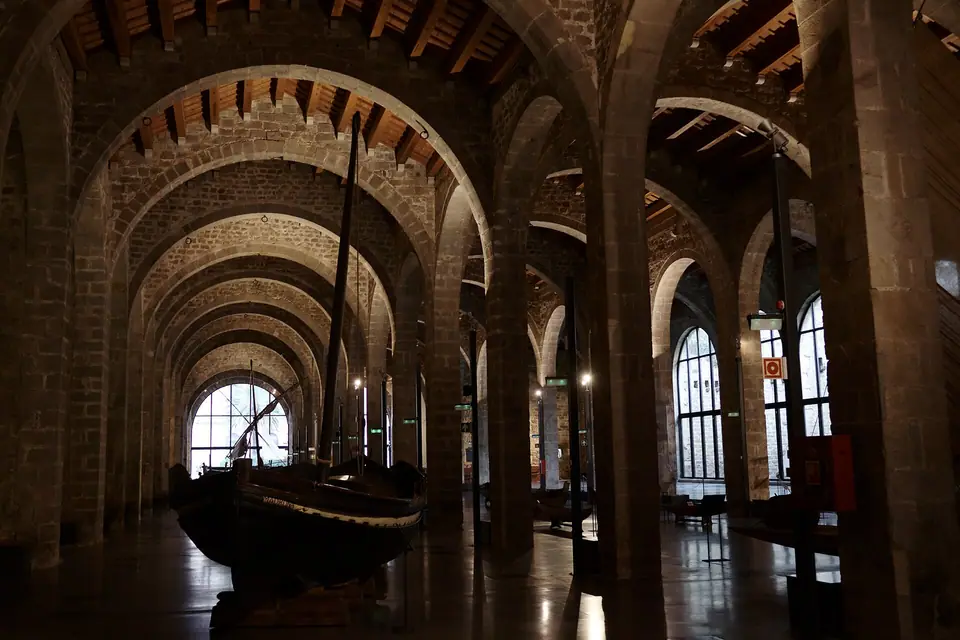
Maritime Museum and the Royal Shipyards
The Drassanes Reials are among the best-preserved medieval shipyards in Europe and have housed the maritime museum since 1936. A hall of Gothic bays with real boats, including a replica of the royal galley of John of Austria.
- When to go
- A good rainy-day plan, especially with children. All year
- Getting there
- Metro L3 Drassanes, at the port end of La Rambla. (205 km from Barcelona as the crow flies)
- Time needed
- 1.5 to 2 h
In the Atlas
Sources: mmb.cat, es.wikipedia.org
13Nature
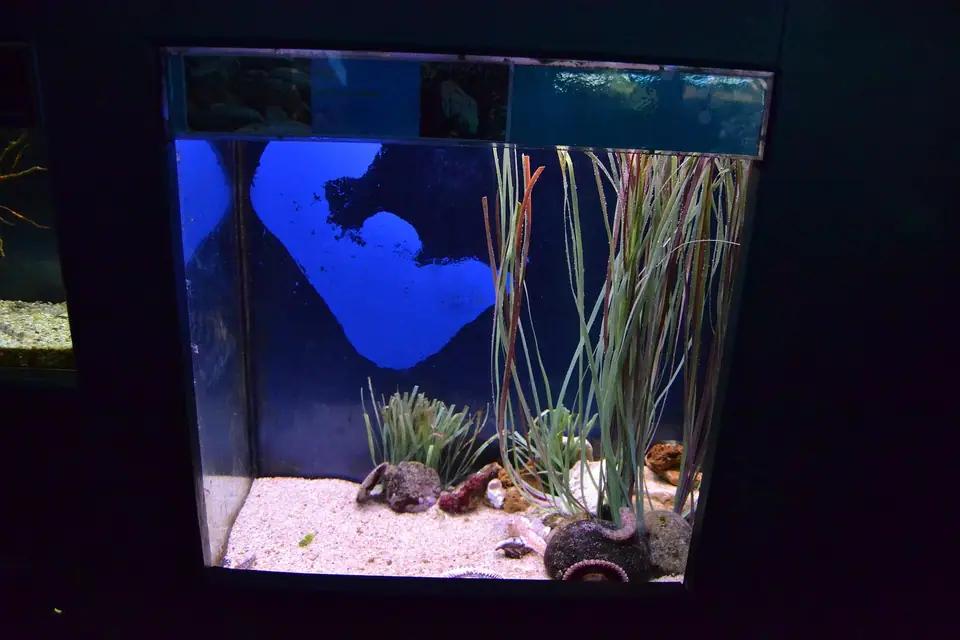
Barcelona Aquarium
It stands on the Moll d’Espanya in the Port Vell, beside the Rambla de Mar walkway. A classic rainy-day plan for families: Mediterranean tanks, an ocean with a glass tunnel, and rays, sharks and tropical fish.
- When to go
- All year, ideal when it rains or is very hot. All year
- Getting there
- Metro L3 Drassanes or L4 Barceloneta, then walk along the Rambla de Mar. (205 km from Barcelona as the crow flies)
- Time needed
- 2 to 3 h
Sources: aquariumbcn.com, es.wikipedia.org
Eixample
Cerdà’s grid holds the best-known modernista houses and the Sagrada Família. Use the metro between distant points.
Eixample: tours and activities
14Culture and historyTop 10 · 1
Sagrada Família
Antoni Gaudí took over the works in 1883 and worked on it until his death in 1926; the basilica, begun in 1882, is still under construction. The Nativity façade and the crypt are part of the UNESCO-listed works of Gaudí. Inside, branching columns and stained glass colour the nave.
- When to go
- Book ahead. For light through the stained glass, early morning or late afternoon. All year
- Getting there
- Metro L2 or L5 Sagrada Família; check the official site for which entrance to use. (208 km from Barcelona as the crow flies)
- Time needed
- 1.5 to 2 h
In the Atlas
Sources: sagradafamilia.org, whc.unesco.org
15Culture and historyTop 10 · 3
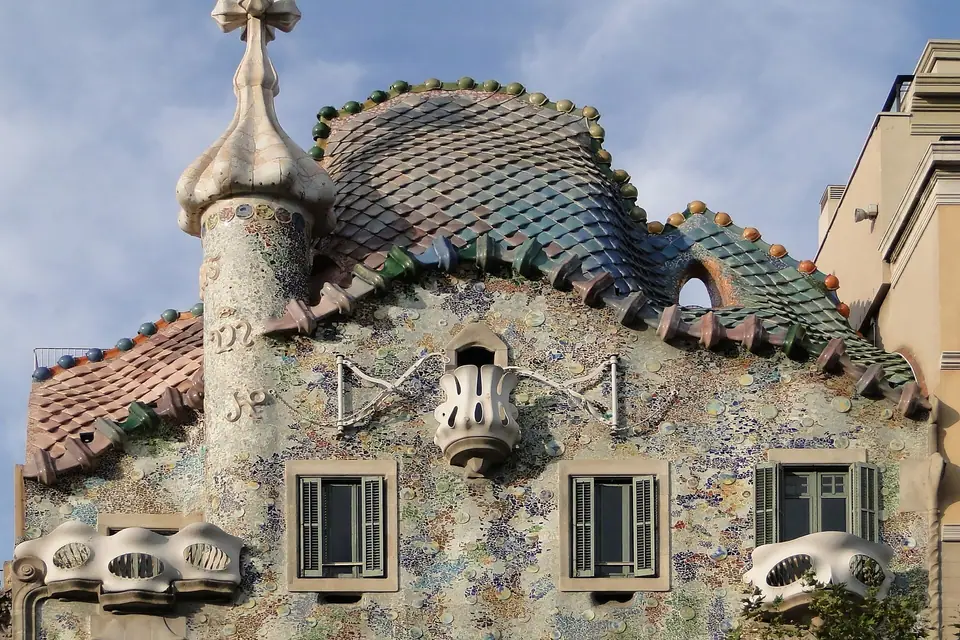
Casa Batlló
Gaudí remodelled an existing building between 1904 and 1906 for Josep Batlló on Passeig de Gràcia. The curved windows, mask-like balconies and a roof that recalls a dragon’s back make it unmistakable. It is part of the “Block of Discord” with other modernista houses.
- When to go
- All year and in the rain; book ahead. All year
- Getting there
- Metro L2, L3 or L4 Passeig de Gràcia. (207 km from Barcelona as the crow flies)
- Time needed
- 1 to 1.5 h
In the Atlas
Sources: casabatllo.es, es.wikipedia.org
16Culture and historyViewpointsTop 10 · 4
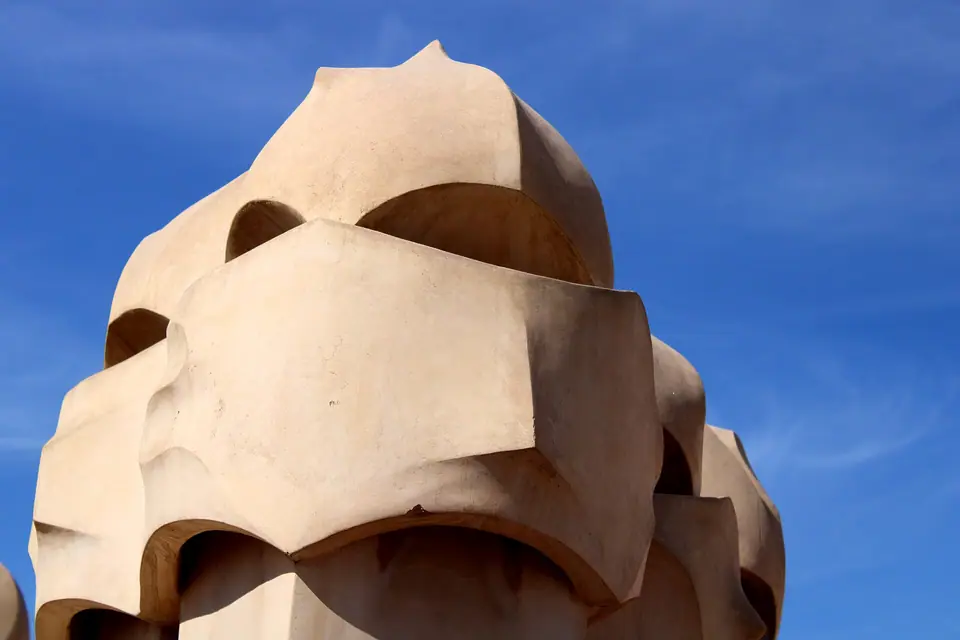
La Pedrera (Casa Milà)
Gaudí built it between 1906 and 1912 for Pere Milà, with not one straight corner on the façade. Best known is the roof terrace, with sculpted chimneys and stair-towers and a view towards the Sagrada Família. It is one of the Gaudí works UNESCO listed in 1984.
- When to go
- The roof has better light around sunset; open all year. All year
- Getting there
- Metro L3 or L5 Diagonal, a minute on foot. (207 km from Barcelona as the crow flies)
- Time needed
- 1 to 1.5 h
In the Atlas
Sources: lapedrera.com, whc.unesco.org
17Culture and historyHidden gem
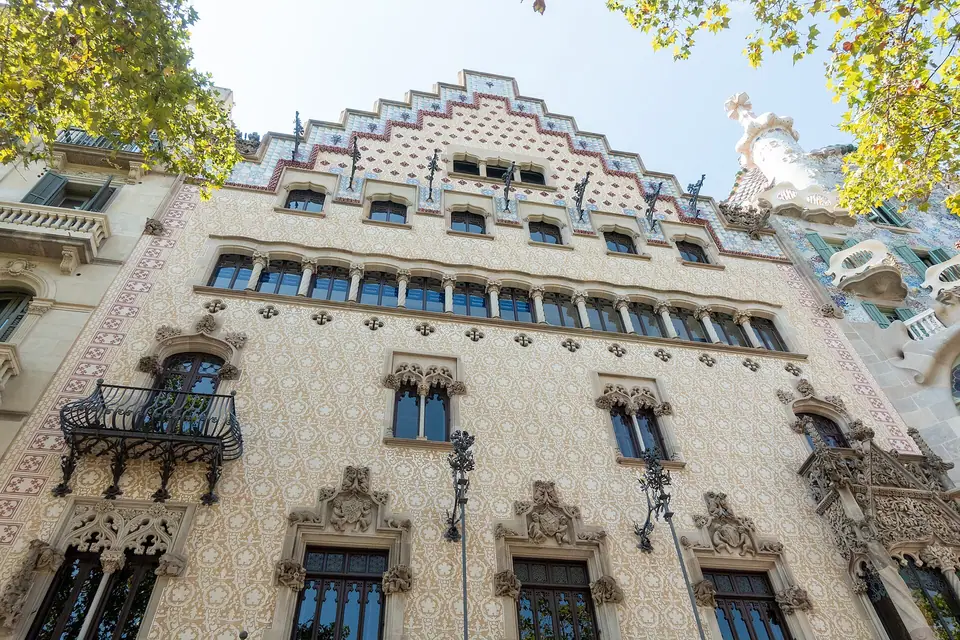
Casa Amatller
Josep Puig i Cadafalch remodelled it around 1898–1900 for the chocolatier Antoni Amatller, mixing Neo-Gothic and Flemish touches with modernisme. It is the discreet neighbour of the Batlló and tends to be less crowded.
- When to go
- All year; visits are usually guided, so book ahead. All year
- Getting there
- Metro L2, L3 or L4 Passeig de Gràcia. (207 km from Barcelona as the crow flies)
- Time needed
- 1 h
Sources: amatller.org, es.wikipedia.org
18Culture and historyTowns and villages
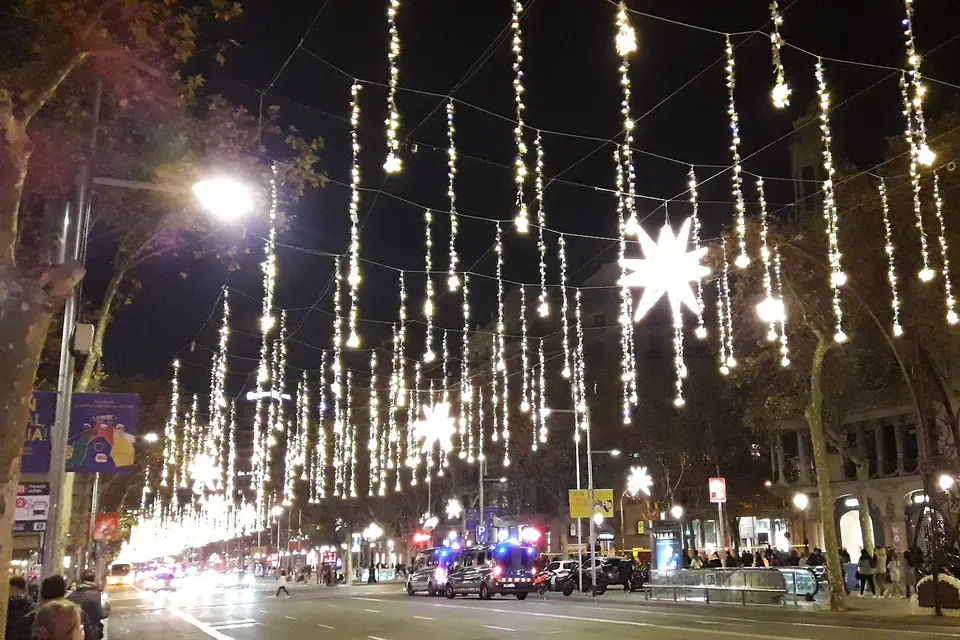
Passeig de Gràcia and the Modernisme route
Cerdà laid out the Eixample on a grid, and Passeig de Gràcia filled with bourgeois mansions in the early 20th century: Batlló, Amatller, Lleó Morera, Milà. Walking it is the easiest way to see several works at once and to grasp how the city grew.
- When to go
- Best in the morning; the houses draw crowds in the middle of the day. Best months: MarAprMayJunSeptOctNov
- Getting there
- Metro L2, L3 or L4 Passeig de Gràcia; walk north to Diagonal. (207 km from Barcelona as the crow flies)
- Time needed
- 1.5 to 2 h
In the Atlas
Sources: barcelonaturisme.com, es.wikipedia.org
Gràcia and Park Güell
A village-like quarter and, on the hill, two Gaudí works: Casa Vicens and Park Güell.
19NatureViewpointsCulture and historyTop 10 · 2
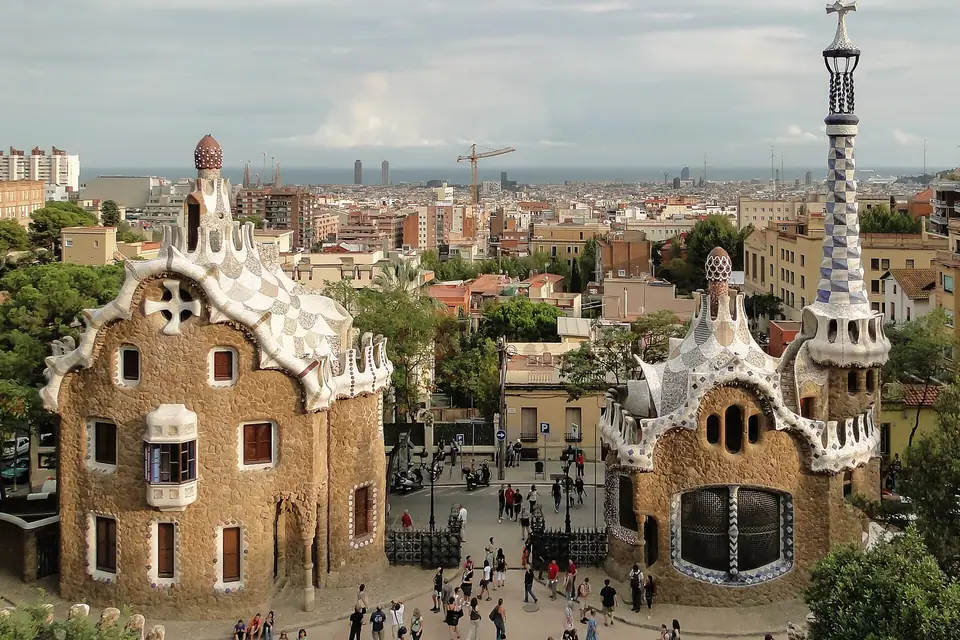
Park Güell
Gaudí designed it between 1900 and 1914 as a landscaped housing estate for Eusebi Güell; it did not work out as planned and has been a municipal park since 1926. It has been World Heritage since 1984, with slanting columns, a mosaic lizard and an undulating bench overlooking Barcelona.
- When to go
- First thing or late afternoon; avoid midday in summer. The monumental zone needs a booked ticket. Best months: MarAprMayJunSeptOctNov
- Getting there
- Metro L3 Lesseps or Vallcarca, then an uphill walk; there is also a bus. Check access on the official site. (209 km from Barcelona as the crow flies)
- Time needed
- 2 to 3 h
In the Atlas
Sources: parkguell.barcelona, whc.unesco.org
20Culture and history
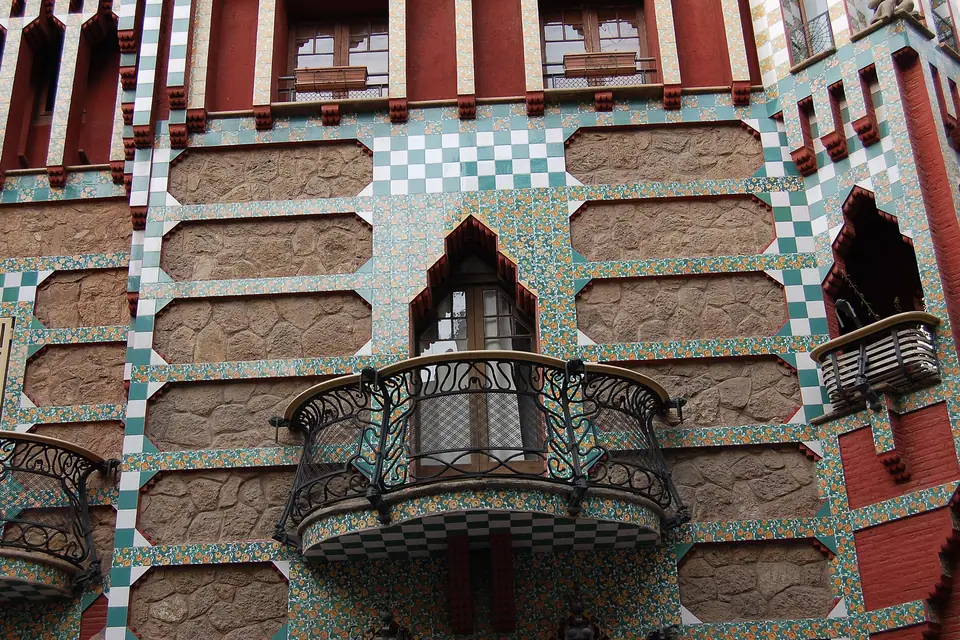
Casa Vicens
It is the first major house Gaudí built in Barcelona, put up between 1883 and 1885 for Manuel Vicens. The ceramic tiles and its neo-Mudéjar air set it apart from what came later. It was added to the UNESCO listing of Gaudí’s works in 2005.
- When to go
- All year; an indoor visit. All year
- Getting there
- Metro L3 Fontana, a few minutes on foot. (208 km from Barcelona as the crow flies)
- Time needed
- 1 h
In the Atlas
Sources: casavicens.org, whc.unesco.org
21Towns and villages
The Gràcia neighbourhood
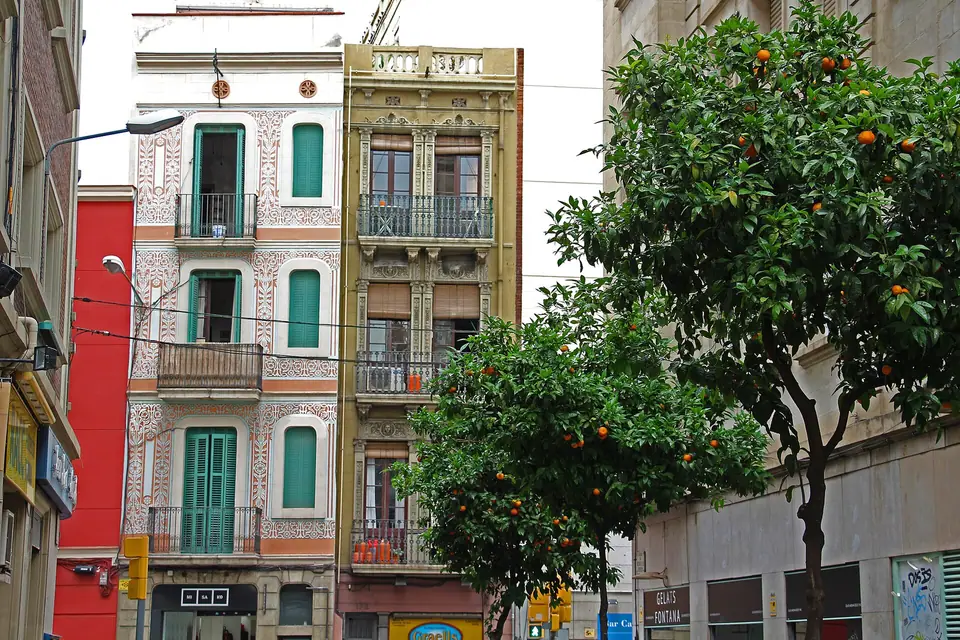
Gràcia was a separate municipality until Barcelona absorbed it in 1897 and keeps a village feel: squares such as Plaça del Sol and Plaça de la Virreina, small shops and terraces. In August it holds its Festa Major, known for street decorations.
- When to go
- Any time; in August, during the Festa Major, it is livelier and busier. All year
- Getting there
- Metro L3 Fontana or Diagonal; everything is on foot. (208 km from Barcelona as the crow flies)
- Time needed
- 2 h
In the Atlas
Sources: barcelona.cat, es.wikipedia.org
Montjuïc
The hill of the 1929 Exposition: museum, fountain, replica village and castle, with views over the port. Best reached by funicular and cable car.
Sants-Montjuïc: tours and activities
22ViewpointsNatureTop 10 · 8
Montjuïc: castle and gardens
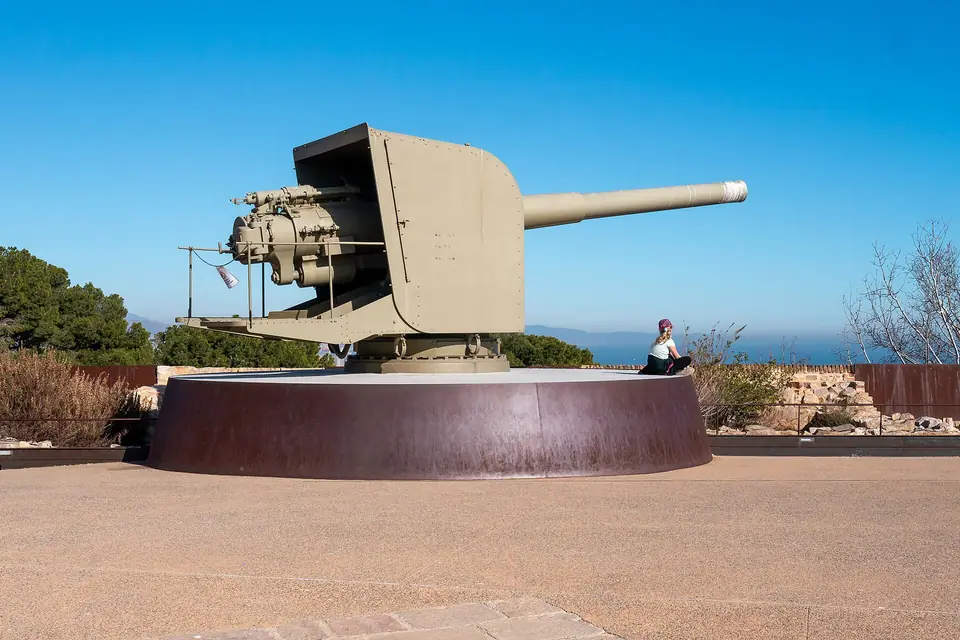
Montjuïc is a hill of about 173 metres above the port, with gardens, 1992 Olympic venues and a military castle turned viewpoint. You can go up by funicular and cable car and spread the day between museums, parks and views.
- Getting there
- Metro L2/L3 Paral·lel and the Montjuïc funicular; then the cable car or a bus to the castle. (204 km from Barcelona as the crow flies)
- Time needed
- Half a day
In the Atlas
Sources: barcelona.cat, es.wikipedia.org
23Culture and historyViewpoints
MNAC, National Art Museum of Catalonia
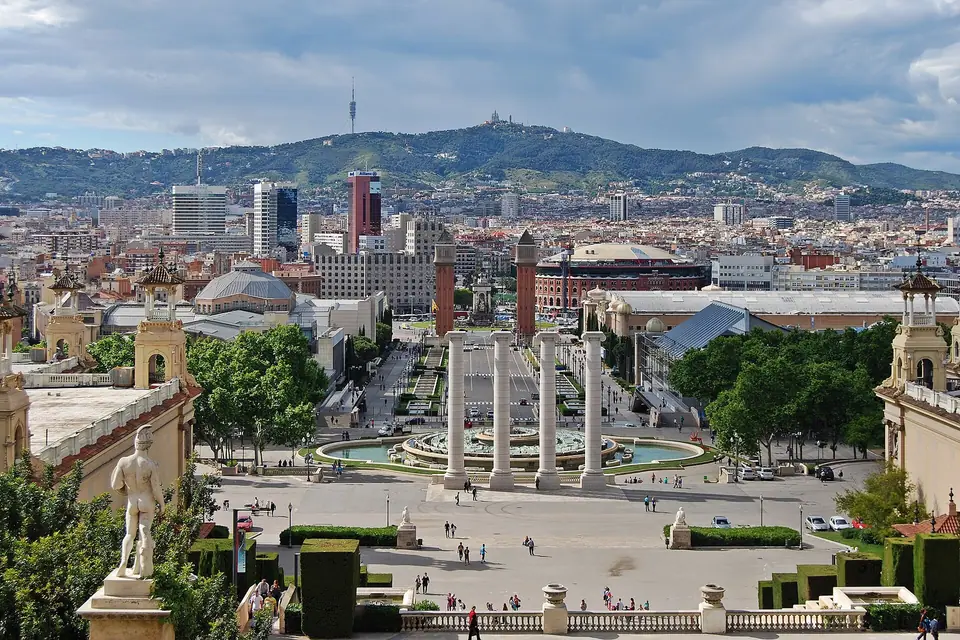
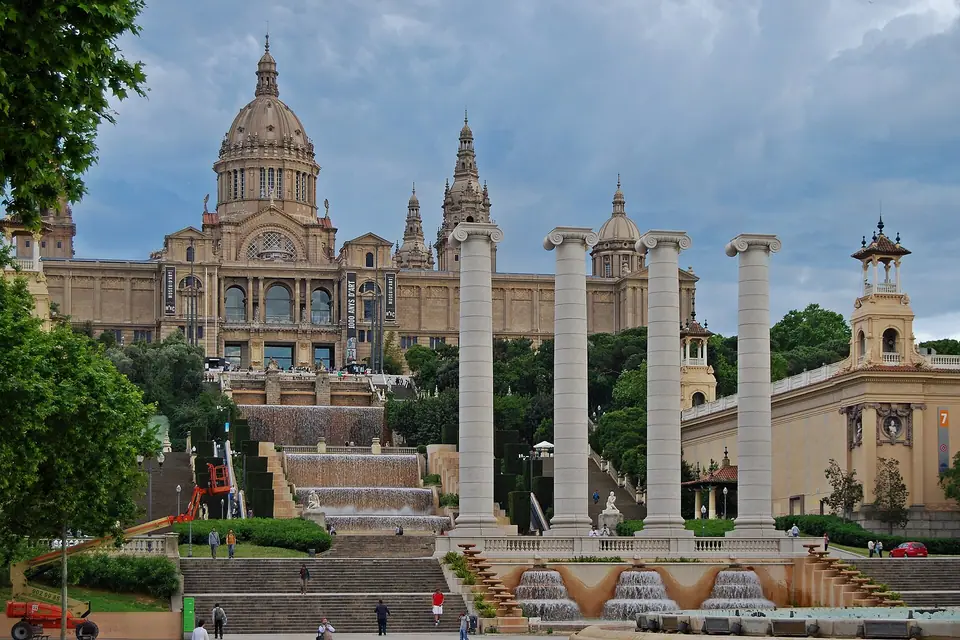
The museum occupies the Palau Nacional, built for the 1929 International Exposition, and is best known for its collection of Catalan Romanesque art. Its terrace has one of the best views down Avinguda de la Reina Maria Cristina and over the city.
- When to go
- All year; good in the rain too. All year
- Getting there
- Metro L1/L3 Espanya, then uphill along the avenue, with escalators. (204 km from Barcelona as the crow flies)
- Time needed
- 2 to 3 h
In the Atlas
Sources: museunacional.cat, es.wikipedia.org
24Culture and historyViewpoints
Montjuïc Magic Fountain
Carles Buïgas devised it for the 1929 International Exposition, and its shows of water, light and music are one of the simplest evening plans in the city. Timings change by season and are published on the city council website.
- Getting there
- Metro L1/L3 Espanya; walk up the avenue towards the MNAC. (205 km from Barcelona as the crow flies)
- Time needed
- 30 to 45 min
In the Atlas
Sources: barcelona.cat, es.wikipedia.org
25Culture and history
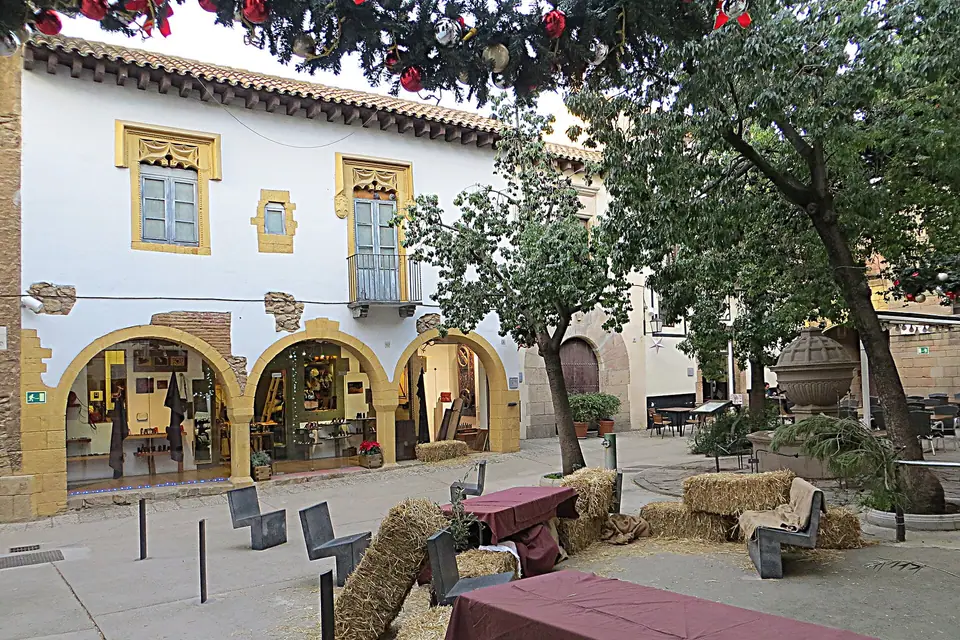
Poble Espanyol
It was built for the 1929 International Exposition as a tour of the architecture of Spain’s towns, with squares, streets and replicas of historic buildings. Today it has craft workshops, shops and restaurants within a walled enclosure.
- When to go
- All year; if you pair it with the MNAC, plan a full day. All year
- Getting there
- Metro L1/L3 Espanya, then bus or an uphill walk; check access on its website. (204 km from Barcelona as the crow flies)
- Time needed
- 1.5 to 2 h
In the Atlas
Sources: poblespanyol.com, es.wikipedia.org
Horta-Guinardó
The district of the northern hills: a World Heritage modernista hospital, a free viewpoint and a garden with a maze.
Horta-Guinardó: tours and activities
26Culture and historyTop 10 · 6
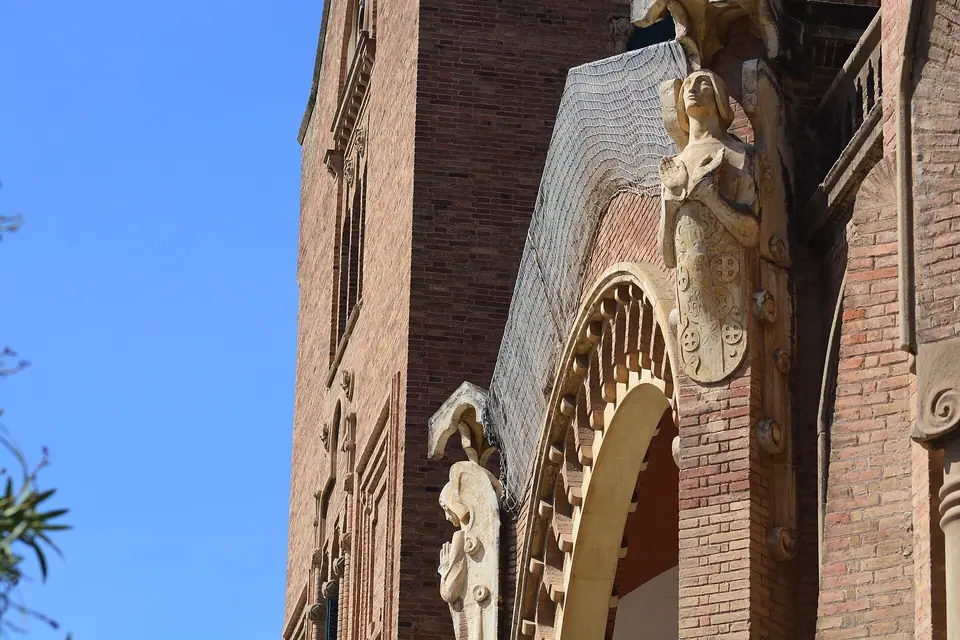
Sant Pau Art Nouveau Site
Lluís Domènech i Montaner designed this hospital, built between 1902 and 1930, with separate pavilions, gardens and tiled domes. It has been World Heritage since 1997 together with the Palau de la Música and, being large and open, is usually far less crowded than the Sagrada Família, which you can see down the avenue.
- When to go
- All year; in good weather the gardens are a pleasure. All year
- Getting there
- Metro L5 Sant Pau | Dos de Maig, or on foot from the Sagrada Família along Avinguda de Gaudí. (209 km from Barcelona as the crow flies)
- Time needed
- 1.5 to 2 h
In the Atlas
Sources: santpaubarcelona.org, whc.unesco.org
27ViewpointsTop 10 · 10
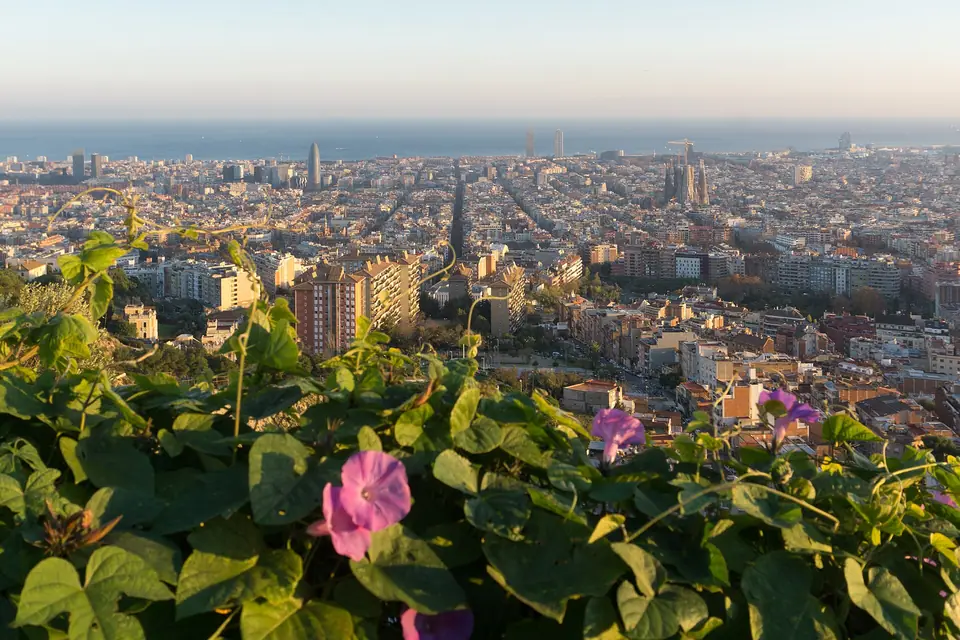
Bunkers del Carmel
These are the remains of a Civil War anti-aircraft battery on Turó de la Rovira, with a 360-degree view over the city and sea. It is an open-air viewpoint with free access, famous at sunset.
- When to go
- At sunset, but bring water, comfortable shoes and a layer if it is already dark. Skip windy days. Best months: MarAprMayJunSeptOctNov
- Getting there
- On foot, with a steep climb from the Carmel neighbourhood; check access on TMB and the city council site. (210 km from Barcelona as the crow flies)
- Time needed
- 1 to 1.5 h
In the Atlas
Sources: barcelona.cat, es.wikipedia.org
28NatureCulture and historyHidden gem
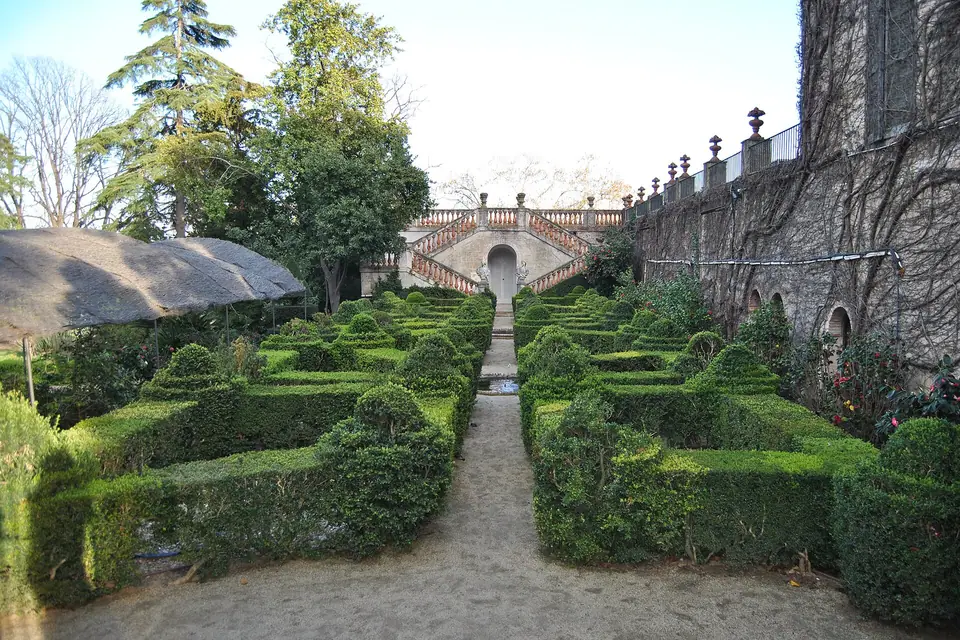
Laberint d’Horta
It is the oldest historic garden in Barcelona, laid out in the late 18th century for the Desvalls family. It combines a neoclassical garden, a pond and a cypress maze. It lies far from the centre, so it is quiet.
- When to go
- Spring and autumn; check whether there is an entry fee or free days before going. Best months: MarAprMayJunSeptOct
- Getting there
- Metro L3 Mundet, a few minutes on foot. (212 km from Barcelona as the crow flies)
- Time needed
- 1 to 1.5 h
Sources: barcelona.cat, es.wikipedia.org
Sarrià-Sant Gervasi and Les Corts
The upper city and the stadium area: Tibidabo and the Collserola hills, a Gothic monastery, the science museum and Camp Nou.
Sarrià-Sant Gervasi: tours and activities · Les Corts: tours and activities
29ViewpointsNature
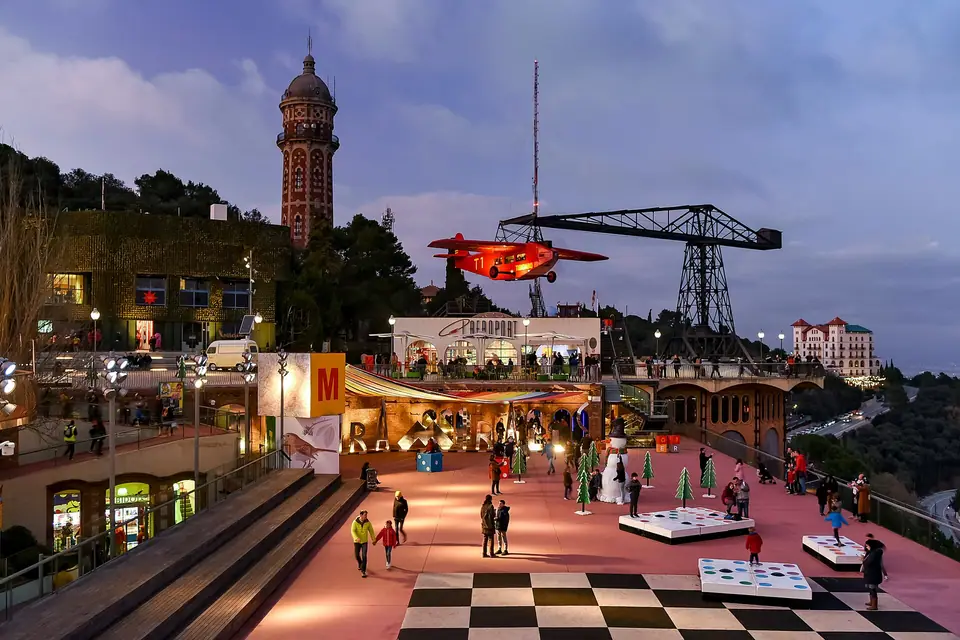
Tibidabo
At about 512 metres it is the highest point of the Collserola range. At the top are the Sagrat Cor church and an amusement park opened in 1901, one of the oldest in Europe. The views take in the city out to the sea.
- When to go
- On a clear day; the park has a season and opening days, so check its calendar. Best months: MarAprMayJunSeptOctNov
- Getting there
- FGC L7 to Avinguda Tibidabo and the funicular up to the park. (211 km from Barcelona as the crow flies)
- Time needed
- Half a day
Sources: tibidabo.cat, es.wikipedia.org
30Culture and historyNature
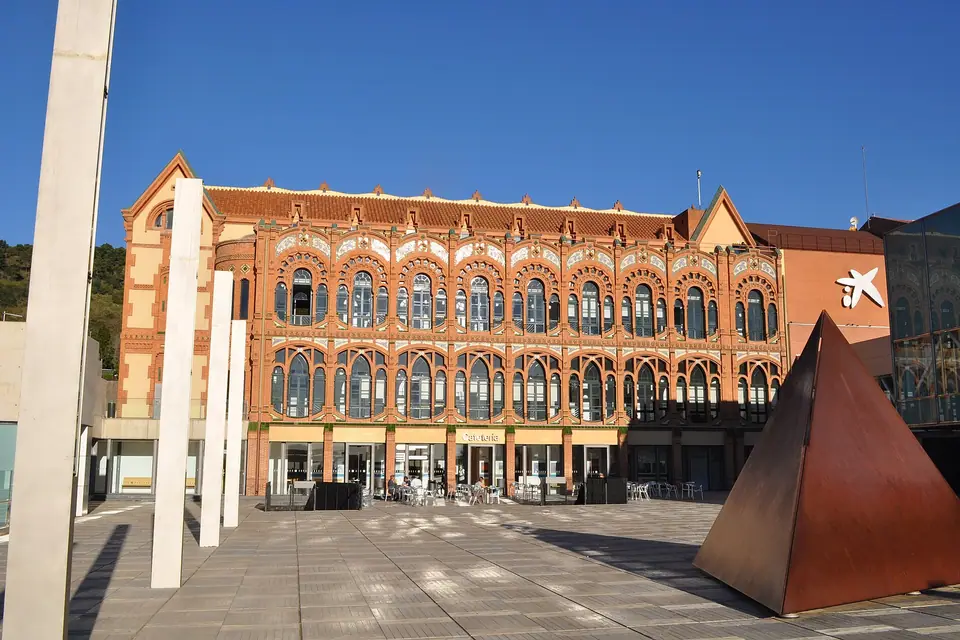
CosmoCaixa
It is the science museum of the “la Caixa” Foundation. Best remembered is the Flooded Forest, a replica of an Amazonian forest with living animals and plants. A rainy-day plan with children.
- When to go
- All year, and fine in the rain. All year
- Getting there
- A few minutes on foot from the Avinguda Tibidabo FGC station (L7), or by bus. (210 km from Barcelona as the crow flies)
- Time needed
- 2 to 3 h
In the Atlas
Sources: cosmocaixa.org, es.wikipedia.org
31Culture and historyHidden gem
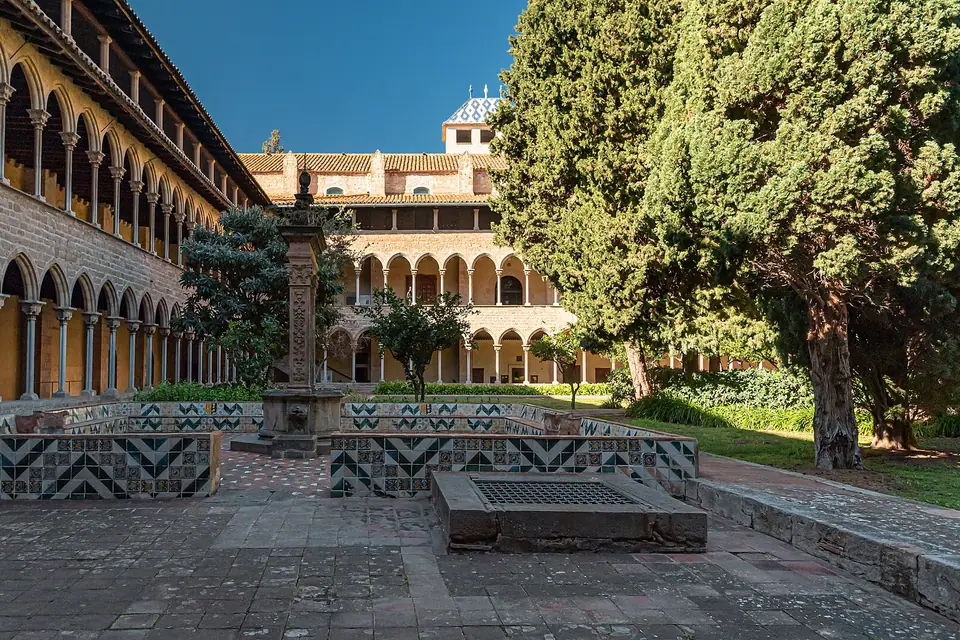
Pedralbes Monastery
The monastery was founded in 1326 by Queen Elisenda de Montcada and keeps a very well preserved three-storey Gothic cloister. It sits far from the tourist circuit in a quiet quarter, and the mood is calm.
- When to go
- All year; check visiting days and hours on its website. All year
- Getting there
- FGC Reina Elisenda, a few minutes away, or bus. (208 km from Barcelona as the crow flies)
- Time needed
- 1 to 1.5 h
In the Atlas
Sources: monestirpedralbes.barcelona, es.wikipedia.org
32Culture and history
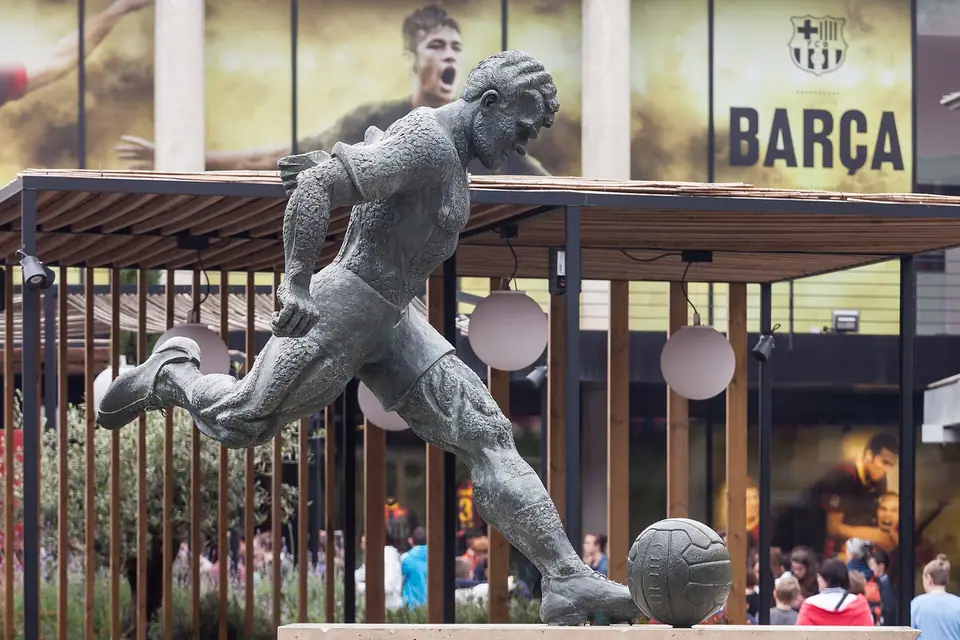
Camp Nou and the FC Barcelona museum
Camp Nou has been FC Barcelona’s stadium since 1957 and can be visited together with its museum and a tour of the grounds. The stadium has been under renovation, so check what can be seen before you book.
- When to go
- Avoid match days for the visit; check the fixture list. All year
- Getting there
- Metro L3 Palau Reial or L5 Collblanc, then walk. (206 km from Barcelona as the crow flies)
- Time needed
- 2 to 3 h
In the Atlas
Sources: fcbarcelona.com, es.wikipedia.org
Sant Martí and Poblenou
The eastern district of converted factories and calmer beaches, with Nouvel’s tower as its landmark.
Sant Martí: tours and activities
33ViewpointsCulture and history
Torre Glòries
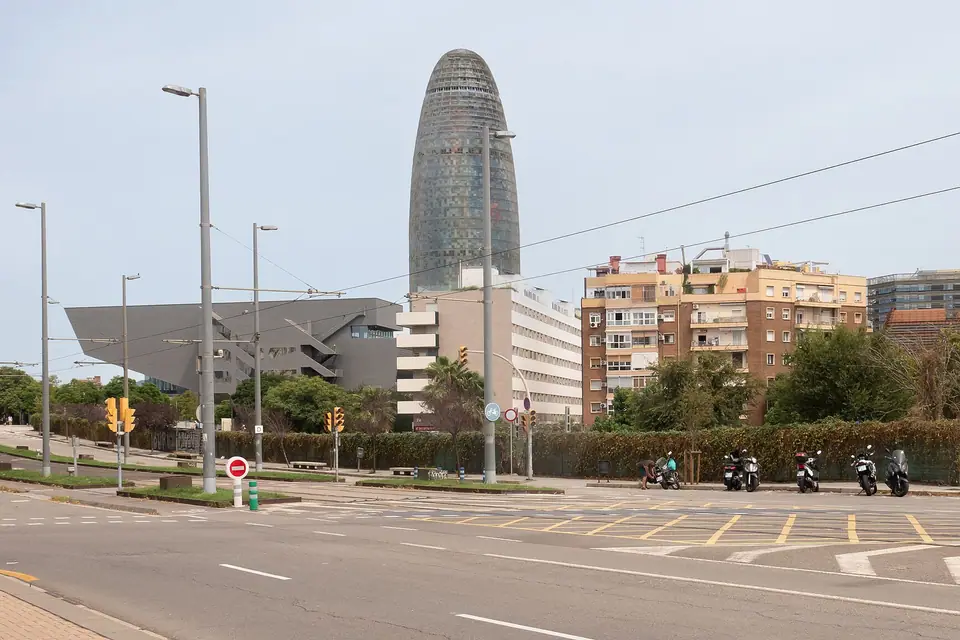
Designed by Jean Nouvel and opened in 2005, the tower is about 144 metres tall and its façade lights up in colours at night. It now has a viewing deck from which you can see the city.
- When to go
- On a clear day; the light is best around sunset. All year
- Getting there
- Metro L1 Glòries or tram T4. (208 km from Barcelona as the crow flies)
- Time needed
- 1 to 1.5 h
In the Atlas
Sources: torreglories.barcelona, es.wikipedia.org
34Towns and villagesBeaches and covesHidden gem
Poblenou and Rambla del Poblenou
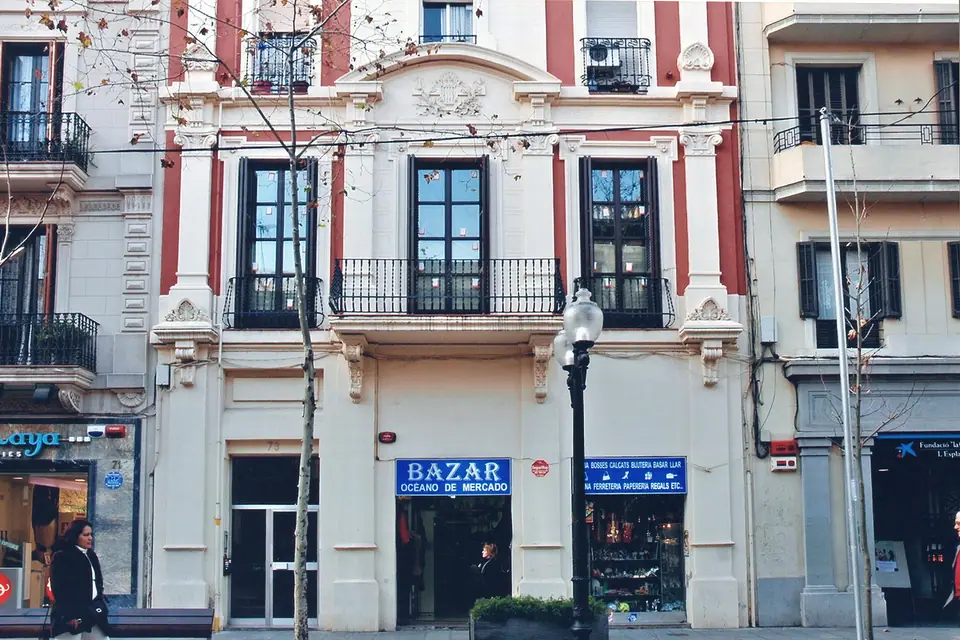
Poblenou was a factory district and now mixes converted old warehouses, design studios and workshops with a tree-lined rambla full of terraces. On the seaward side are beaches less crowded than Barceloneta.
- When to go
- Spring to autumn; in summer for swimming and terraces. Best months: AprMayJunJulAugSeptOct
- Getting there
- Metro L4 Poblenou or Llacuna; walk along the rambla down to the sea. (207 km from Barcelona as the crow flies)
- Time needed
- 2 to 3 h
In the Atlas
Sources: barcelona.cat, es.wikipedia.org
Day trips from Barcelona
Montserrat, Sitges, Girona, Figueres, Tarragona and the Penedès all work as car-free day trips by train or rack railway. Train times we give come from aggregators: confirm them with Renfe, Rodalies or FGC.
Montserrat: tours and activities · Sitges & Garraf: tours and activities · Penedès: tours and activities · Girona: tours and activities · Figueres & Empordà: tours and activities · Tarragona: tours and activities
35NatureCulture and history
Montserrat
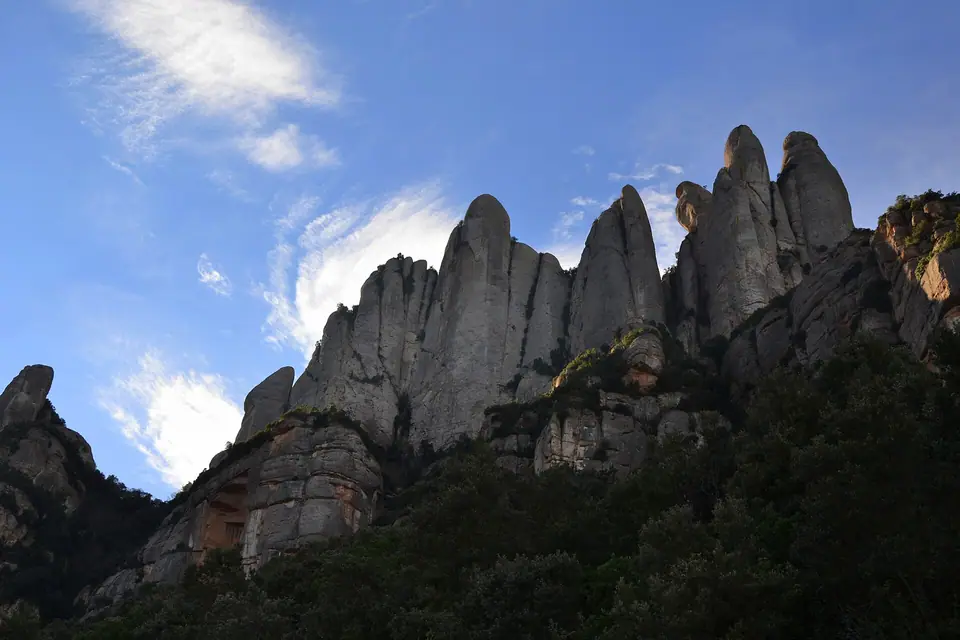
Montserrat is a conglomerate range of jagged shapes, a natural park since 1987, with the Benedictine abbey of Santa Maria and the image of the Moreneta. The highest peak is Sant Jeroni, at 1,236 m. You reach it by train and rack railway or cable car and can add walking trails.
- When to go
- Spring and autumn; in summer, go early. Check basilica and choir times on the official site. Best months: MarAprMayJunSeptOctNov
- Getting there
- FGC R5 from Plaça Espanya to Aeri de Montserrat (cable car) or Monistrol de Montserrat (rack railway). (235 km from Barcelona as the crow flies)
- Time needed
- A full day
In the Atlas
Sources: montserratvisita.com, en.wikipedia.org, fgc.cat
36Towns and villagesBeaches and coves
Sitges
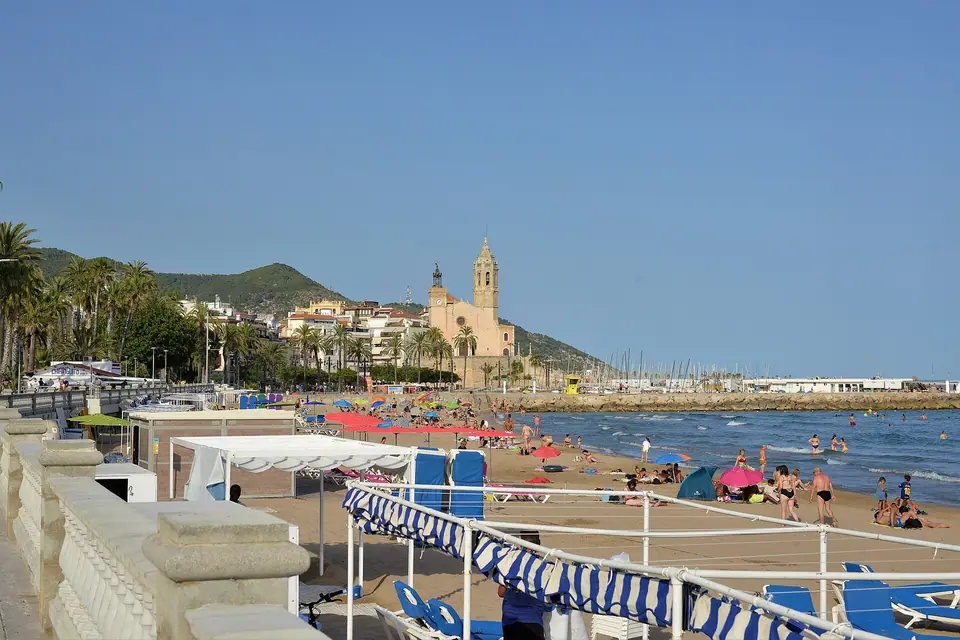
About 38 km from Barcelona, Sitges has a whitewashed old town, beaches and art museums such as the Cau Ferrat. It is an easy day trip by train, with a fantasy film festival that began in 1968.
- Getting there
- Rodalies R2 Sud from Sants or Passeig de Gràcia, direct; 31–37 minutes from Sants per aggregators, check Rodalies. (198 km from Barcelona as the crow flies)
- Time needed
- A full day
In the Atlas
- Cau Ferrat Museum (Sitges) · from €12
- Maricel Museum (Sitges) · from €12
- Things to do in Sitges
Sources: sitgestur.cat, rodalies.gencat.cat, es.wikipedia.org
37Towns and villagesCulture and history
Girona
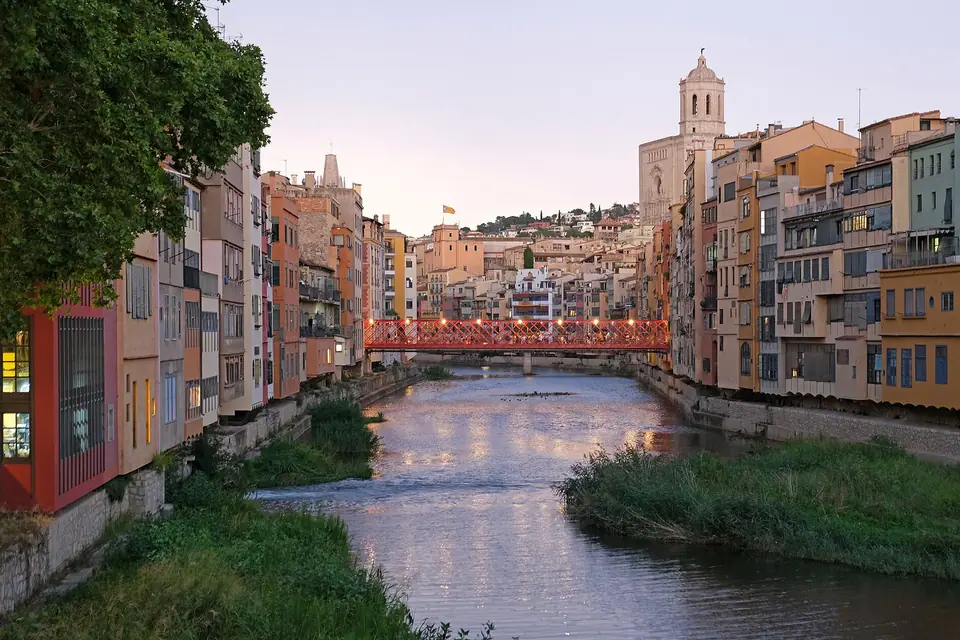
Girona stands where four rivers meet, with an old town including a Jewish quarter, walls and houses hanging over the Onyar. It is easy to reach by train from Sants and works well as a day trip.
- When to go
- Spring and autumn; Sant Narcís (29 October) is the main festival day. Best months: AprMayJunSeptOctNov
- Getting there
- Avant train (reservation required) or regional Rodalies from Sants; Avant 38–57 min, regional 1 h 10–1 h 30 per aggregators; check Renfe. (269 km from Barcelona as the crow flies)
- Time needed
- A full day
Sources: girona.cat, renfe.com, es.wikipedia.org
38Culture and historyTowns and villages
Figueres and the Dalí Theatre-Museum
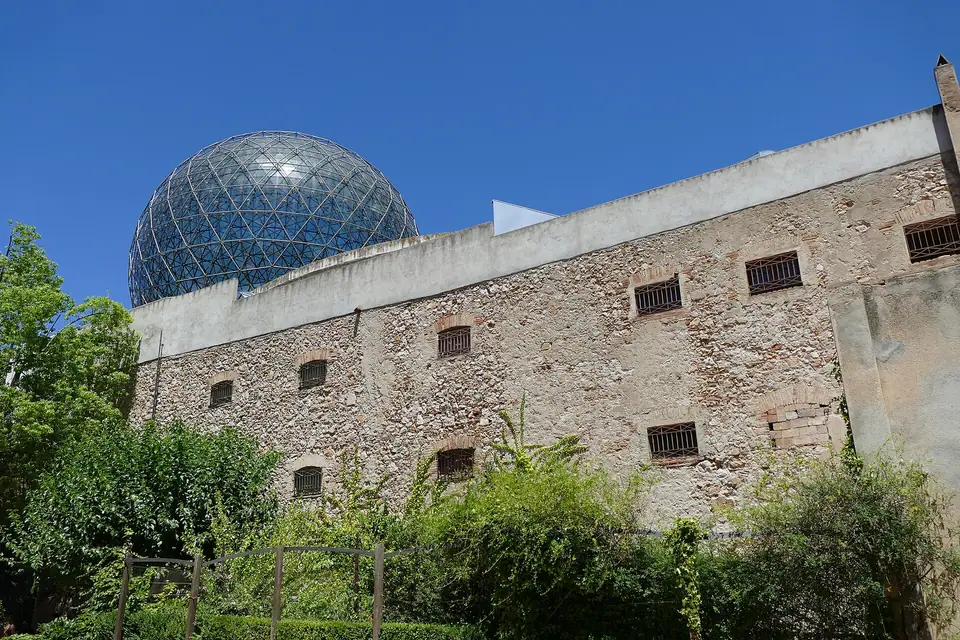
Figueres is the capital of the Alt Empordà and Dalí’s home town; its Theatre-Museum opened in 1974. It also has the 18th-century Castell de Sant Ferran. You get there on the Avant from Sants to Figueres-Vilafant.
- Getting there
- Renfe Avant from Sants to Figueres-Vilafant, or regional to Figueres; Avant 55–60 minutes per aggregators; check Renfe. (301 km from Barcelona as the crow flies)
- Time needed
- A full day
In the Atlas
- Dalí Theatre-Museum, Figueres · from €18.50
- Things to do in Figueres
Sources: salvador-dali.org, renfe.com, es.wikipedia.org
39Culture and historyTowns and villages
Roman Tarragona
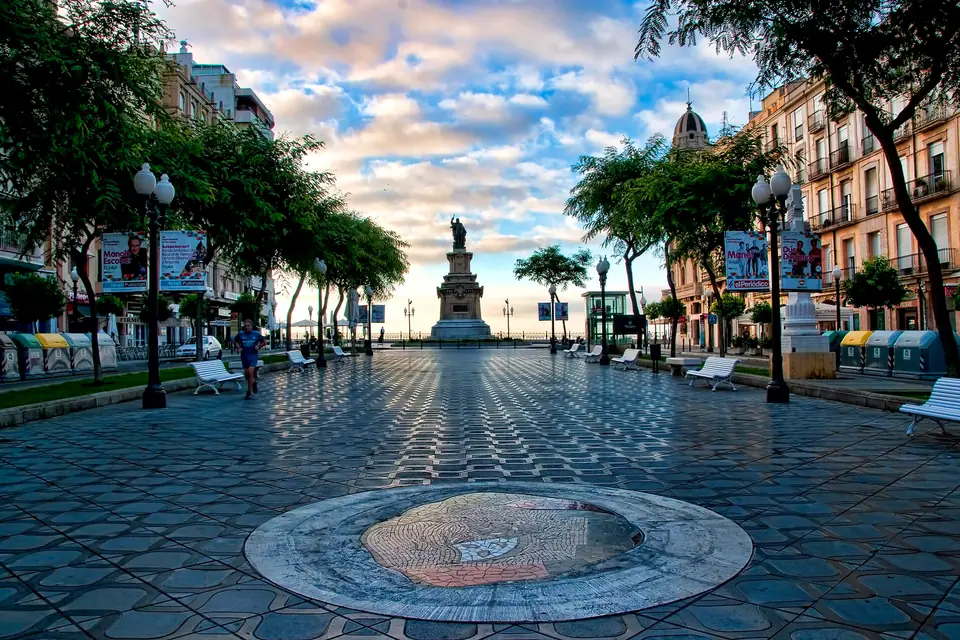
Tarragona was Roman Tarraco, and its archaeological ensemble has been World Heritage since 2000. The amphitheatre looks out to sea, and the city has walls and a cathedral over the old town. It is about 95 km from Barcelona.
- Getting there
- Renfe Avant to Camp de Tarragona (30–34 min) or a Rodalies regional train (R14, R15 or R16) to the city station (65–85 min), per aggregators; check Renfe. (208 km from Barcelona as the crow flies)
- Time needed
- A full day
In the Atlas
Sources: whc.unesco.org, renfe.com, es.wikipedia.org
40Culture and historyHidden gem
Colònia Güell and Gaudí’s crypt
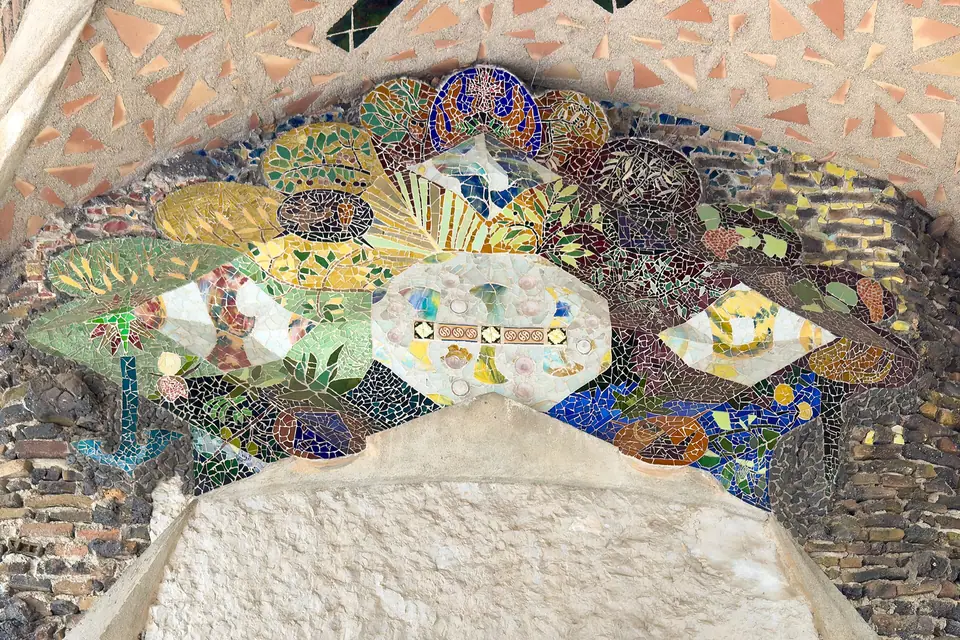
The crypt of the Colònia Güell, in Santa Coloma de Cervelló, is a Gaudí work among those inscribed as World Heritage in 2005. Gaudí tried out structural solutions here that he later used at the Sagrada Família.
- When to go
- All year; check visiting hours. All year
- Getting there
- By FGC train (Llobregat-Anoia line) from Plaça Espanya; check the station and times with FGC. (206 km from Barcelona as the crow flies)
- Time needed
- Half a day
In the Atlas
- Colònia Güell and Gaudí Crypt · from €10
Sources: gaudicoloniaguell.org, whc.unesco.org
41NatureTowns and villages
Penedès: cava and wineries
The Penedès is Catalan cava country, with wineries open for visits and tastings in and around Sant Sadurní d’Anoia. A day of countryside and cellars, best by train to Sant Sadurní with bookings planned ahead.
- Getting there
- By Rodalies train to Sant Sadurní d’Anoia; check the line and times with Rodalies. (219 km from Barcelona as the crow flies)
- Time needed
- A full day
In the Atlas
- Codorníu guided tour with cava tasting · from €25
- Freixenet visit with tasting and Cava Centre · from €22.50
- Torres winery: tour with wine and tapas pairing · from €37
- Recaredo: Origen visit · from €42
Sources: rodalies.gencat.cat, es.wikipedia.org
By type of sight
Nature
Towns and villages
- Barri Gòtic and the Cathedral
- El Born and the Born Cultural Centre
- La Rambla and the Boqueria Market
- La Barceloneta and its beach
- El Raval and the MACBA
- Passeig de Gràcia and the Modernisme route
- The Gràcia neighbourhood
- Poblenou and Rambla del Poblenou
- Sitges
- Girona
- Figueres and the Dalí Theatre-Museum
- Roman Tarragona
- Penedès: cava and wineries
Culture and history
- Barri Gòtic and the Cathedral
- Santa Maria del Mar
- El Born and the Born Cultural Centre
- Picasso Museum
- Palau Güell
- Palau de la Música Catalana
- Parc de la Ciutadella
- Arc de Triomf
- El Raval and the MACBA
- Maritime Museum and the Royal Shipyards
- Sagrada Família
- Casa Batlló
- La Pedrera (Casa Milà)
- Casa Amatller
- Passeig de Gràcia and the Modernisme route
- Park Güell
- Casa Vicens
- MNAC, National Art Museum of Catalonia
- Montjuïc Magic Fountain
- Poble Espanyol
- Sant Pau Art Nouveau Site
- Laberint d’Horta
- CosmoCaixa
- Pedralbes Monastery
- Camp Nou and the FC Barcelona museum
- Torre Glòries
- Montserrat
- Girona
- Figueres and the Dalí Theatre-Museum
- Roman Tarragona
- Colònia Güell and Gaudí’s crypt
Beaches and coves
Hidden gems
Places with far fewer visitors than the top 10, which many people end up liking even more.
- Santa Maria del MarThe Gothic basilica of the Born, built in a single stretch in the 14th century.
- Casa AmatllerPuig i Cadafalch's modernista house, with a stepped gable, next to the Batlló.
- Laberint d’HortaThe city's oldest neoclassical garden, with a cypress maze.
- Pedralbes MonasteryA three-storey Gothic cloister in a residential quarter, founded in 1326.
- Poblenou and Rambla del PoblenouA former industrial quarter with a quiet rambla and calmer beaches.
- Colònia Güell and Gaudí’s cryptThe unfinished church of a workers’ colony, by Gaudí.
Plan your visit
Which month to choose
How many of the 41 sights in this guide we recommend in each month. Each column opens that month, with the weather, sea temperature and festivals.
- See the sights on the interactive Barcelona map
- All 14 towns of Barcelona, one by one
- When to visit Barcelona, month by month
The best of each type, by rating
Compare by category
Frequently asked questions
What are the must-see sights in Barcelona?
Our pick of ten: Sagrada Família, Park Güell, Casa Batlló, La Pedrera, the Barri Gòtic and cathedral, Hospital de Sant Pau, Palau de la Música, Montjuïc, Barceloneta and the Bunkers del Carmel. It is an editorial pick, not a vote.
How many days do you need to see Barcelona?
Three days cover the main sights: one for Ciutat Vella, one for the Eixample and the Gaudí houses, and one for Park Güell and Montjuïc. Add a day for a trip such as Montserrat.
Can you see Barcelona without a car?
Yes. The metro, buses and FGC reach nearly every place in this guide, and the old town is walkable. Day trips to Montserrat, Sitges, Girona, Figueres or Tarragona leave by train or rack railway.
Which Gaudí works should you book in advance?
The Sagrada Família and the monumental zone of Park Güell are visited with a ticket, and booking is wise. The same goes for Casa Batlló, La Pedrera, Casa Vicens and Palau Güell. Check availability on each official site.
What to do in Barcelona when it rains?
The modernista houses, the Picasso Museum, the MNAC, the Maritime Museum, the Aquarium and CosmoCaixa are indoor visits. The Sagrada Família is also seen from inside.
What is the best day trip from Barcelona?
It depends on what you want: Montserrat for mountain and monastery, Sitges for beach and old town, Girona for a medieval city, Figueres for the Dalí museum and Tarragona for Roman ruins.
Atlas de Barcelona editorial team · reviewed on 25 November 2026
More guides
- From El Prat airport to central Barcelona: which option suits you
- Barcelona with kids: what to do, what it costs and from what age you pay
- 3 days in Barcelona: a neighbourhood itinerary, with the tickets worth booking first
- Camp Nou Tour in 2026: what you can visit today, what it costs and where the works stand
- Sagrada Família tickets: which types exist, what they cost and how to book your slot
- Montserrat from Barcelona without a car: how to get there and what to do
- Park Güell: how to buy your ticket, pick a time slot and get there without extra effort